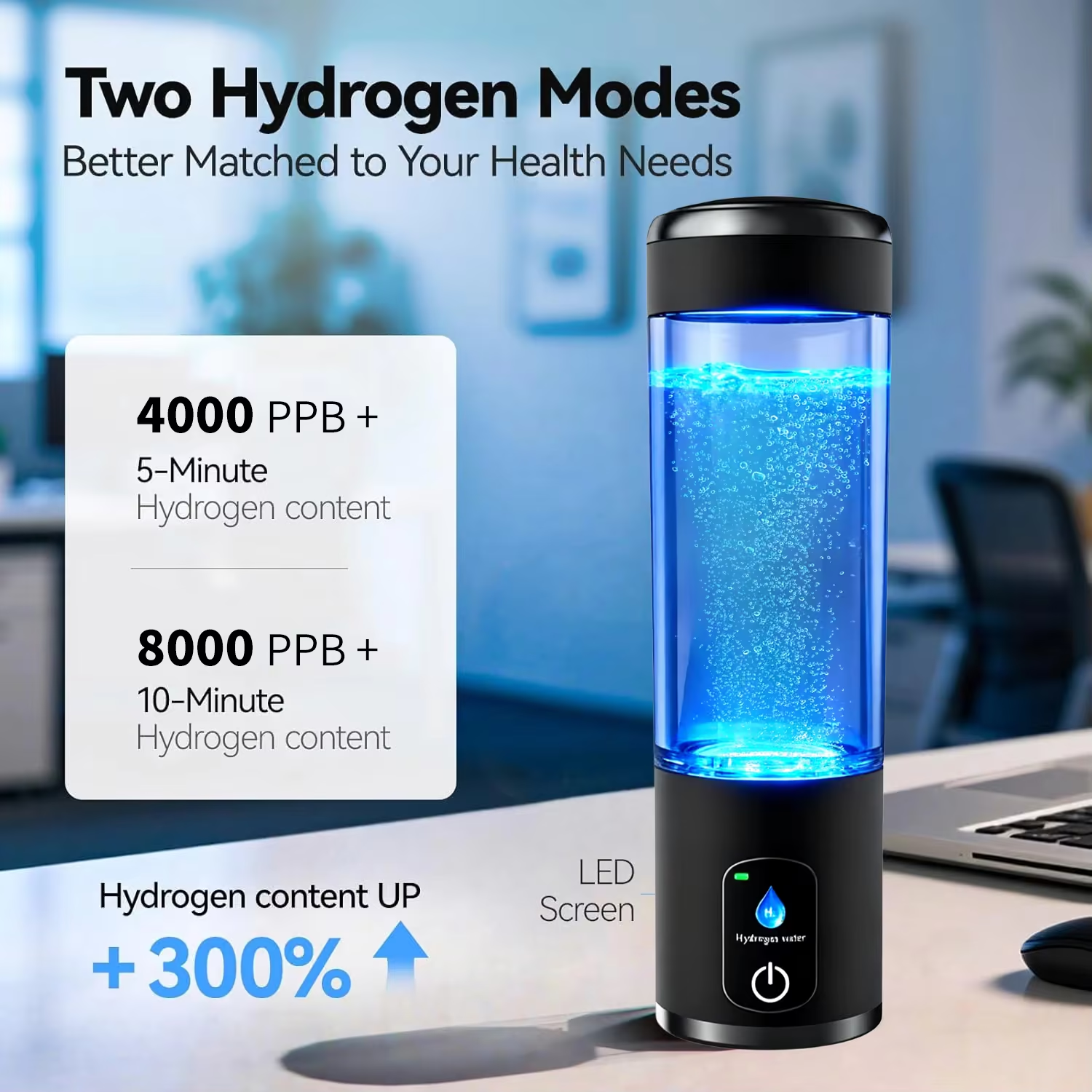
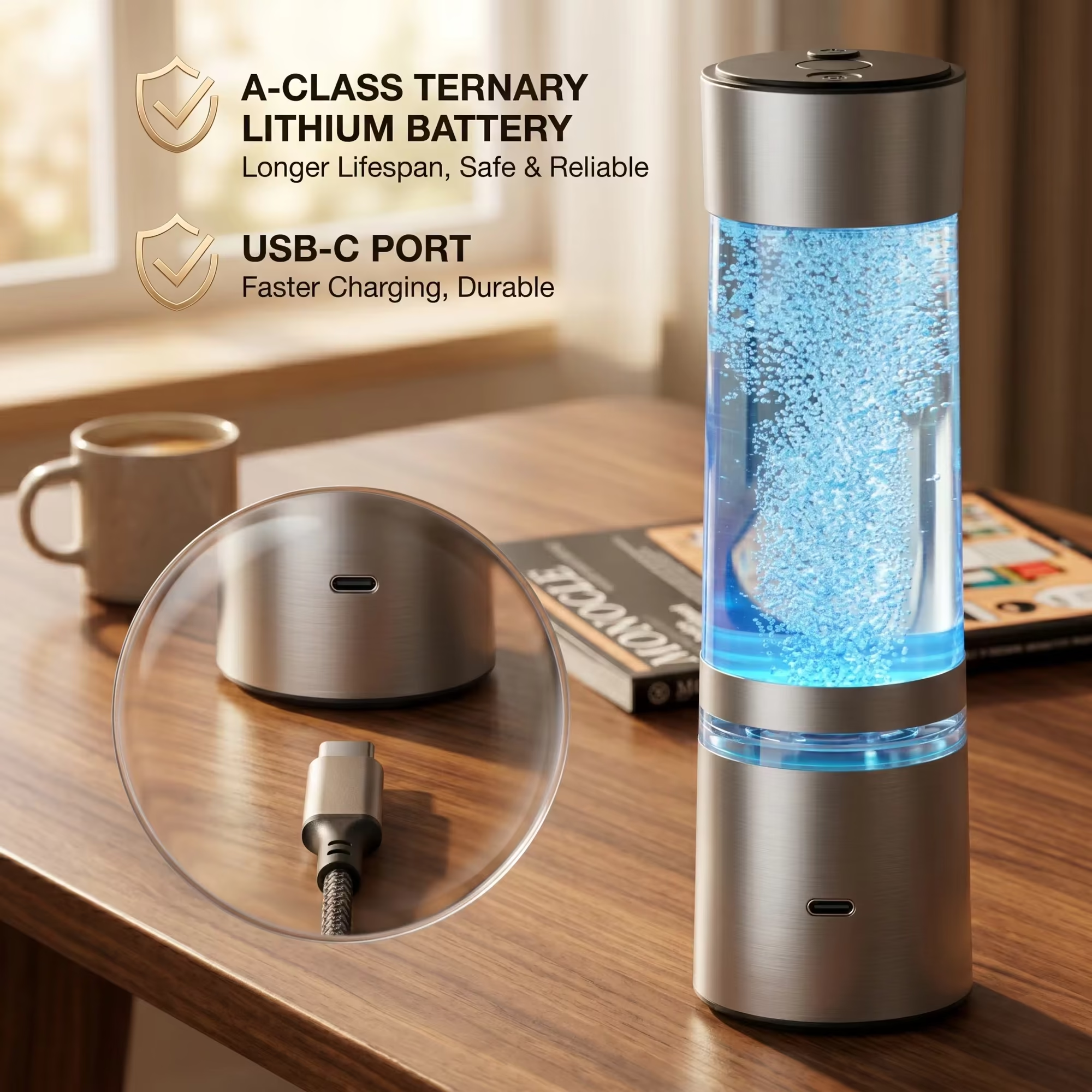


What separates one hydrogen water bottle from another is difficult to judge from catalog photographs alone. The visible product may look similar, while the proton exchange membrane, electrolysis plates, sealing structure, control board, and battery can be very different.
For this H88 hydrogen water bottle teardown, we opened one PHYFLOW H88 sample and one market sample, photographed the components, and reviewed the H88 qualification documents available for buyer inspection.
The goal is not to turn photographs into performance claims. Each form of evidence has a boundary:
- Teardown photographs show visible size, layout, finish, and labeling.
- Laboratory reports show the result of a submitted sample under stated conditions.
- Comparative performance claims require matched testing of both products.
That distinction matters to distributors, private-label brands, and OEM buyers who need a product story that can survive technical review.
1. Proton Exchange Membrane: A Visible Difference in Component Size
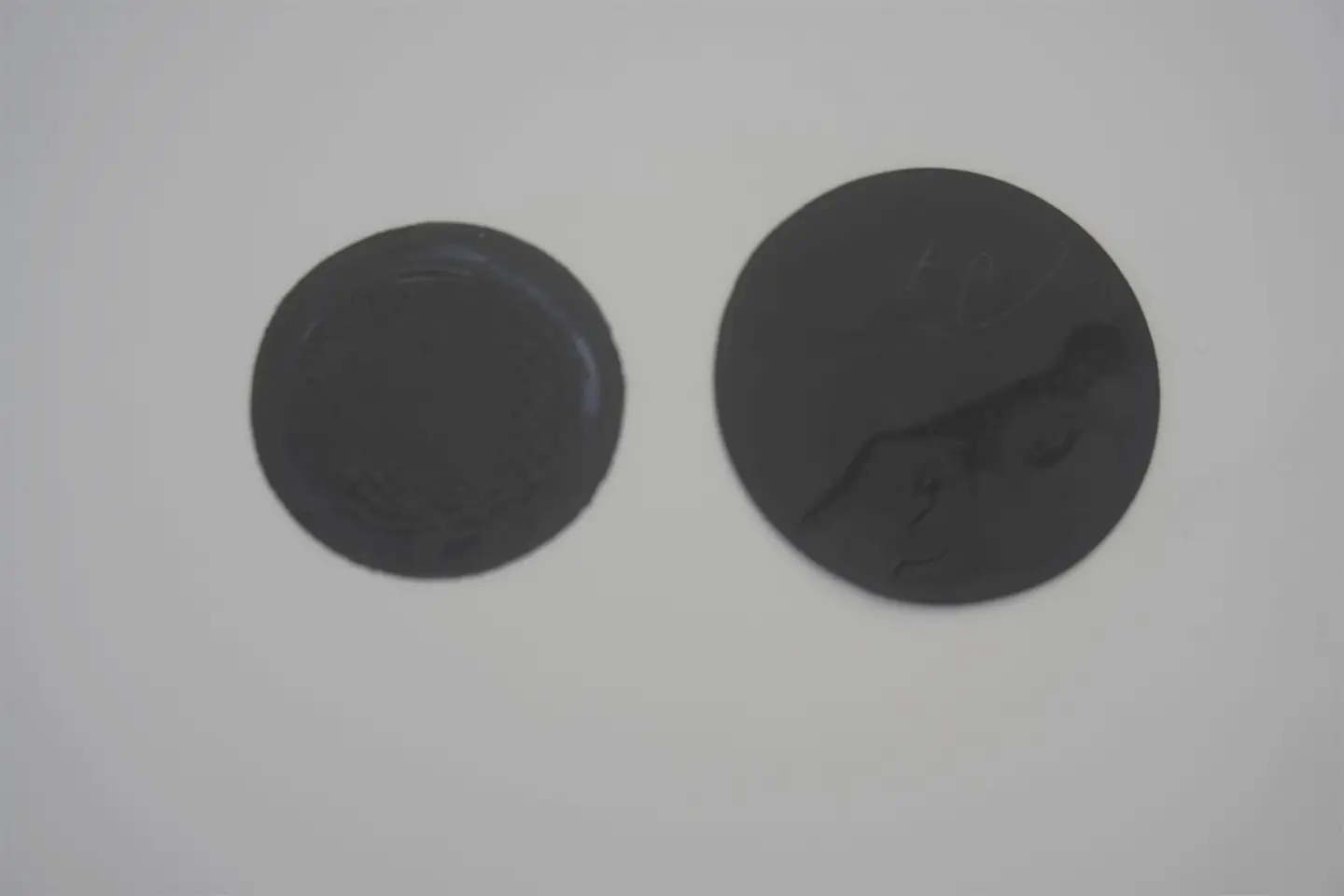
In the comparison photograph, the market-sample membrane is on the left and the H88 membrane is on the right. The H88 component has a visibly larger diameter and a more regular outer profile.
A larger membrane gives the electrolysis assembly more design space, but membrane diameter alone does not prove proton conductivity or dissolved-hydrogen output. Those results also depend on the membrane material, effective working area, thickness, catalyst interface, electrical conditions, water properties, and stability over repeated cycles.
The photograph supports two limited observations: the H88 membrane is visibly larger, and its outer form appears more uniform in this sample comparison. Measured diameter, thickness, and material specifications should be added when those records are available.
2. Electrolysis Plates: Working Area and Manufacturing Consistency
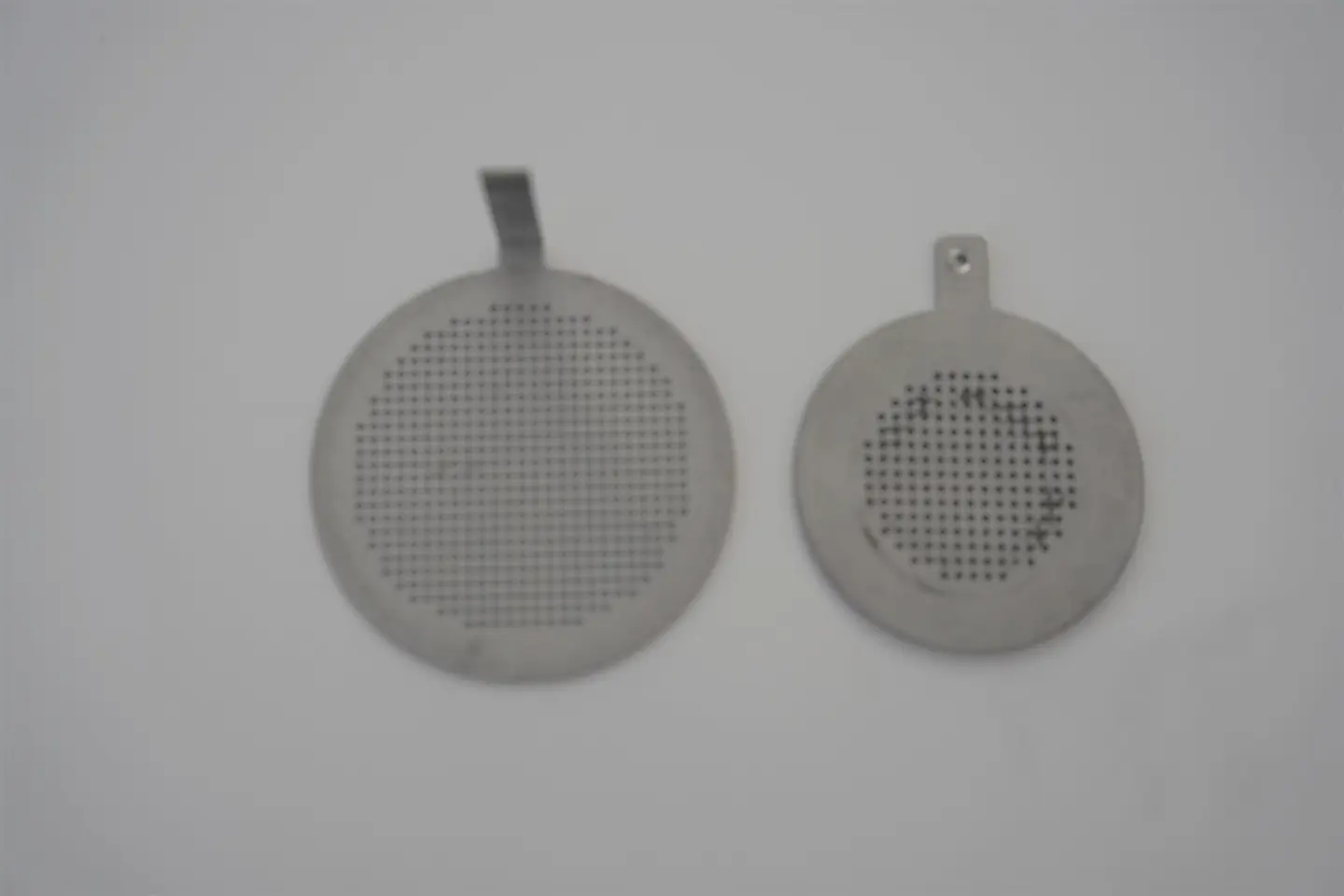
The H88 electrolysis plate is on the left. Its overall diameter, perforated area, and number of visible openings are greater than those of the market-sample plate on the right.
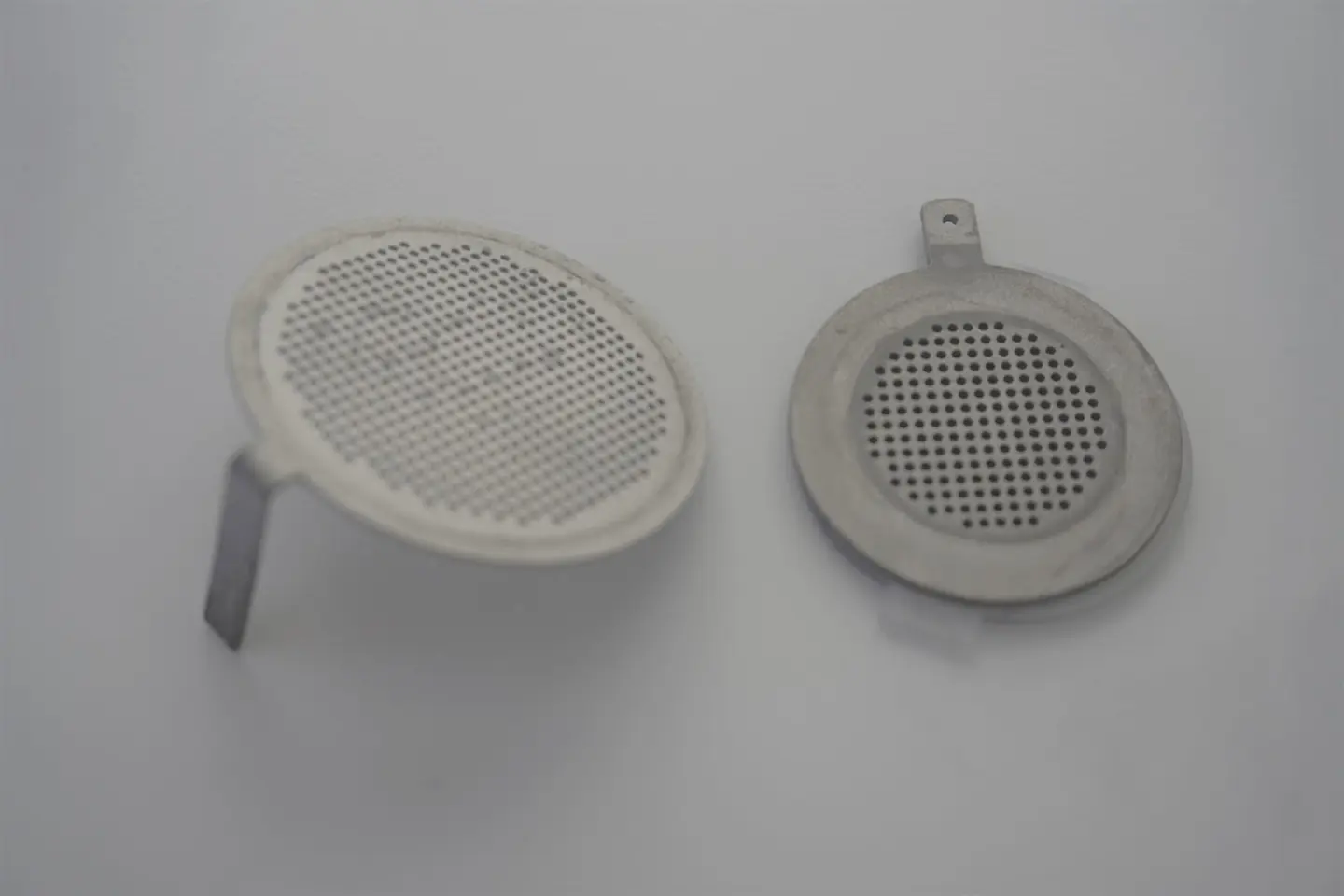
The angled photograph makes the plate edge, connection tab, perforated area, and surface finish easier to compare. The H88 hole pattern appears more extensive and regular in the photographed sample.
These differences are relevant to component design, but size should not be treated as a shortcut for performance. Actual electrolysis behavior depends on current density, active catalyst surface, membrane properties, contact pressure, water conditions, control logic, and repeat-cycle stability.
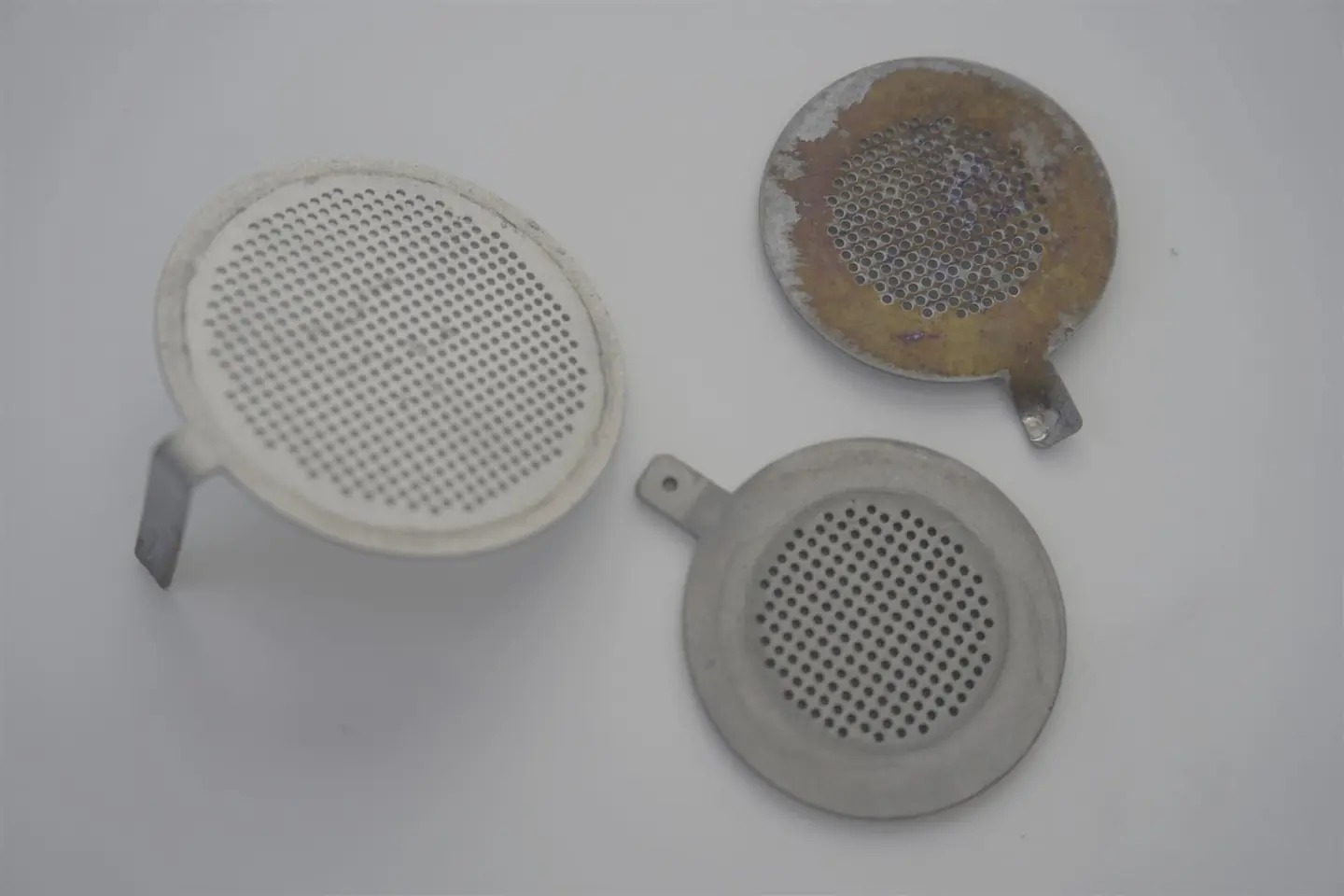
The final plate photograph records the condition observed after disassembly. Differences in color can be influenced by material, surface treatment, water, use history, and exposure after opening. The image alone does not establish corrosion, failure, or product safety.
For sourcing decisions, this is where photographs should be followed by specifications and controlled testing rather than stronger visual claims.
3. Base, Cap, Gas Path, and Sealing
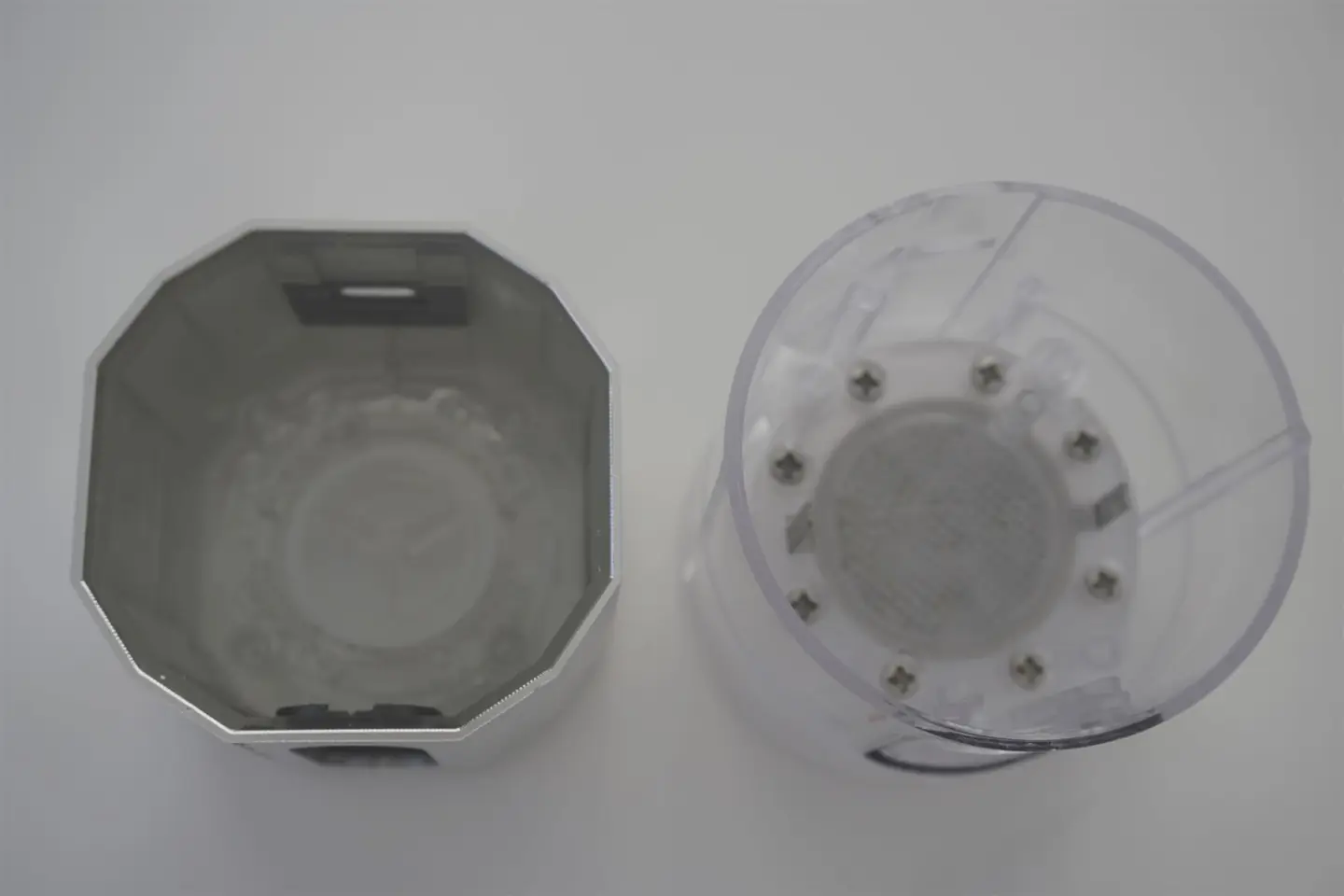
The H88 and the market sample use visibly different base architectures. The photograph shows differences in internal space, fastening, and component layout, but it does not prove leakage resistance or pressure performance.
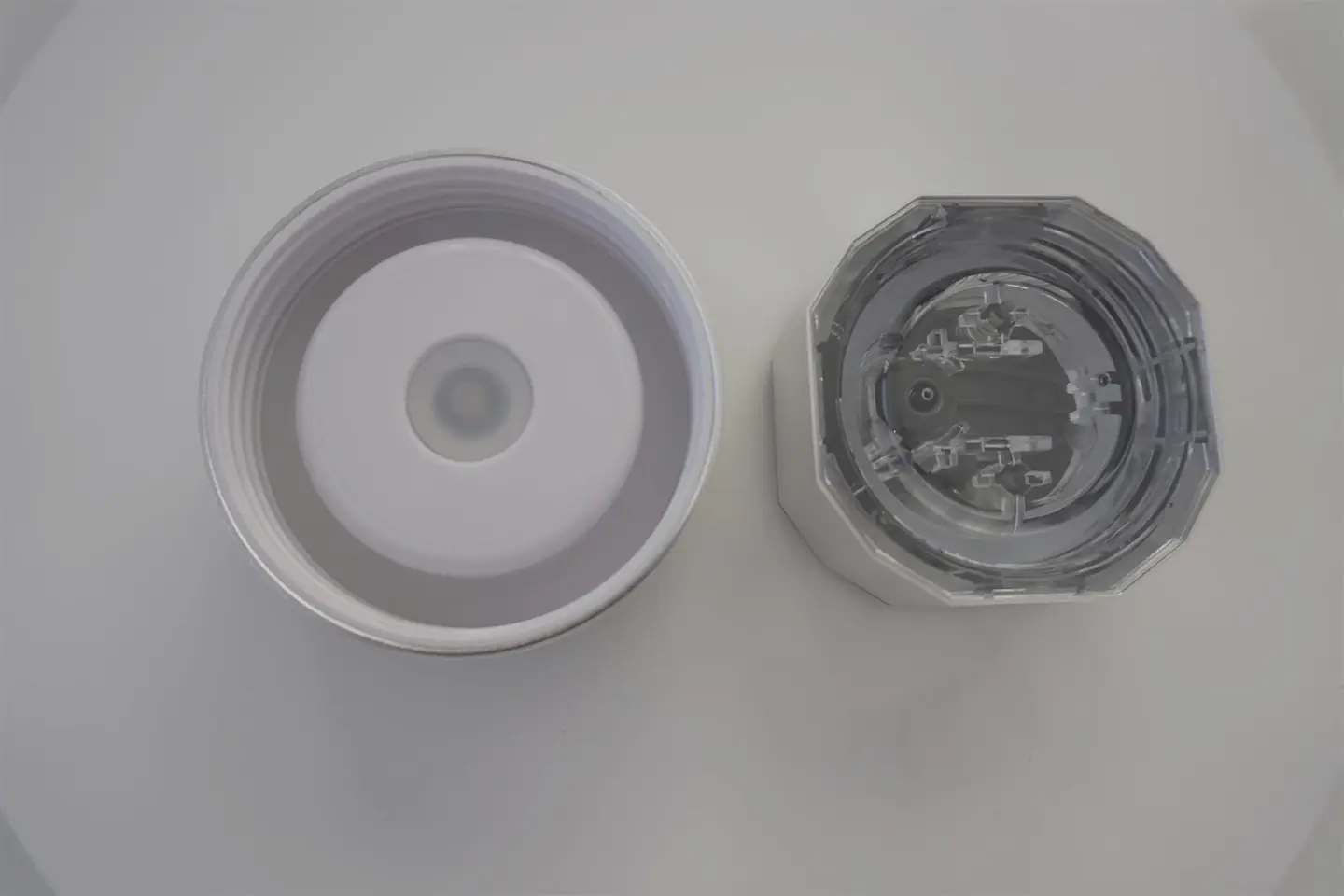
Hydrogen generation creates a gas-management requirement. A bottle must limit water leakage during handling while allowing pressure to follow its intended path. For this reason, “completely sealed” is not automatically a better engineering statement.
The most useful verification combines the component photographs with defined tests:
- Fill the bottle with a stated water volume and invert it for a stated duration.
- Inspect the cap, seals, and intended venting path after a full generation cycle.
- Repeat the inversion test after multiple opening and generation cycles.
- Record the sample count, cycle count, water temperature, and any visible leakage.
The H88 laboratory report discussed below records that the submitted sample was inverted without leakage before hydrogen-concentration testing. That observation applies to the tested sample and stated procedure; broader production claims require production-level inspection records.
4. H88 Craftsmanship at Close Range
Product workmanship is easier to evaluate when the camera moves closer to the interfaces buyers actually touch.
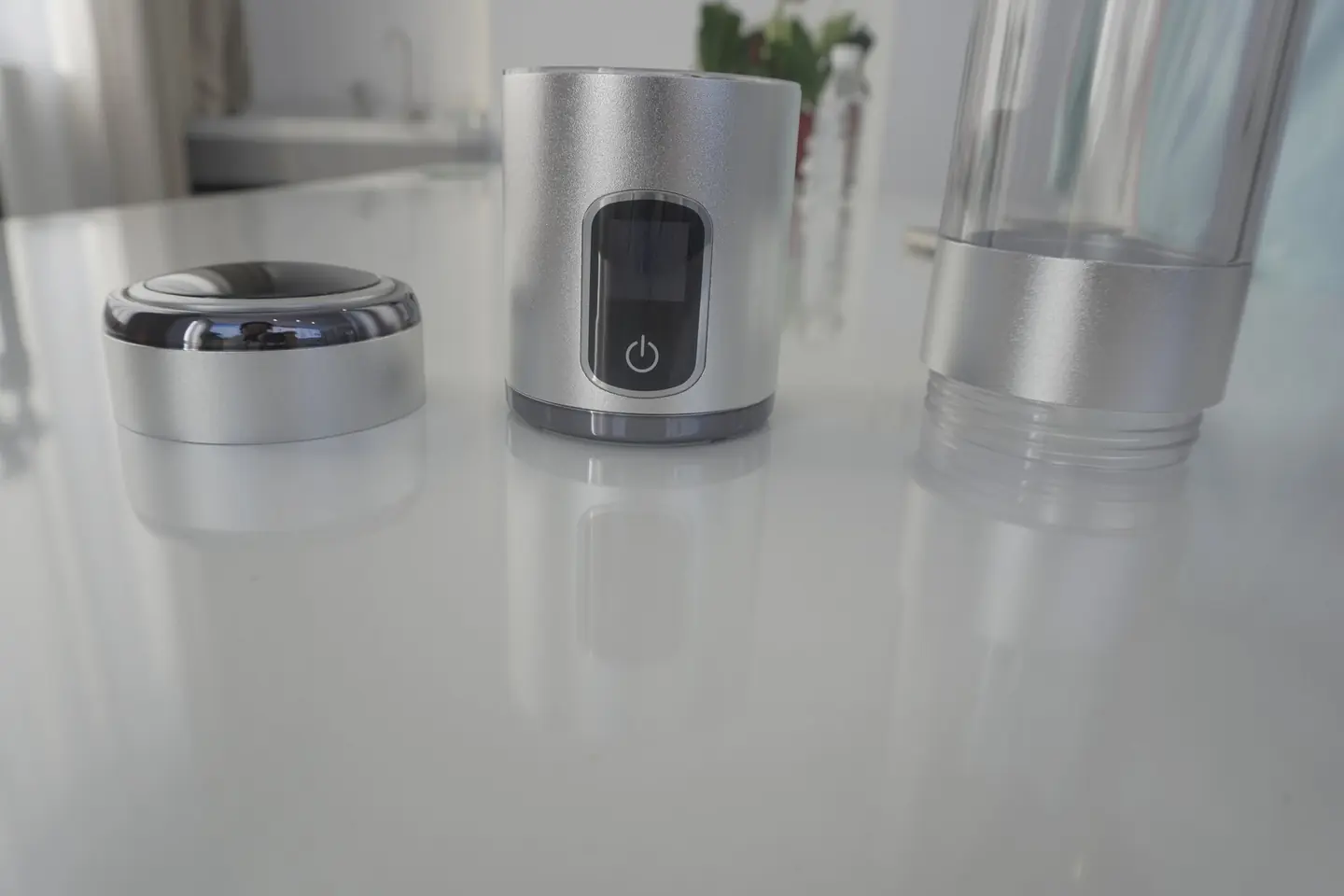
The H88 cap, control base, and bottle body use a consistent metallic finish and interface language. The aligned product photograph also shows how the major parts relate before assembly.
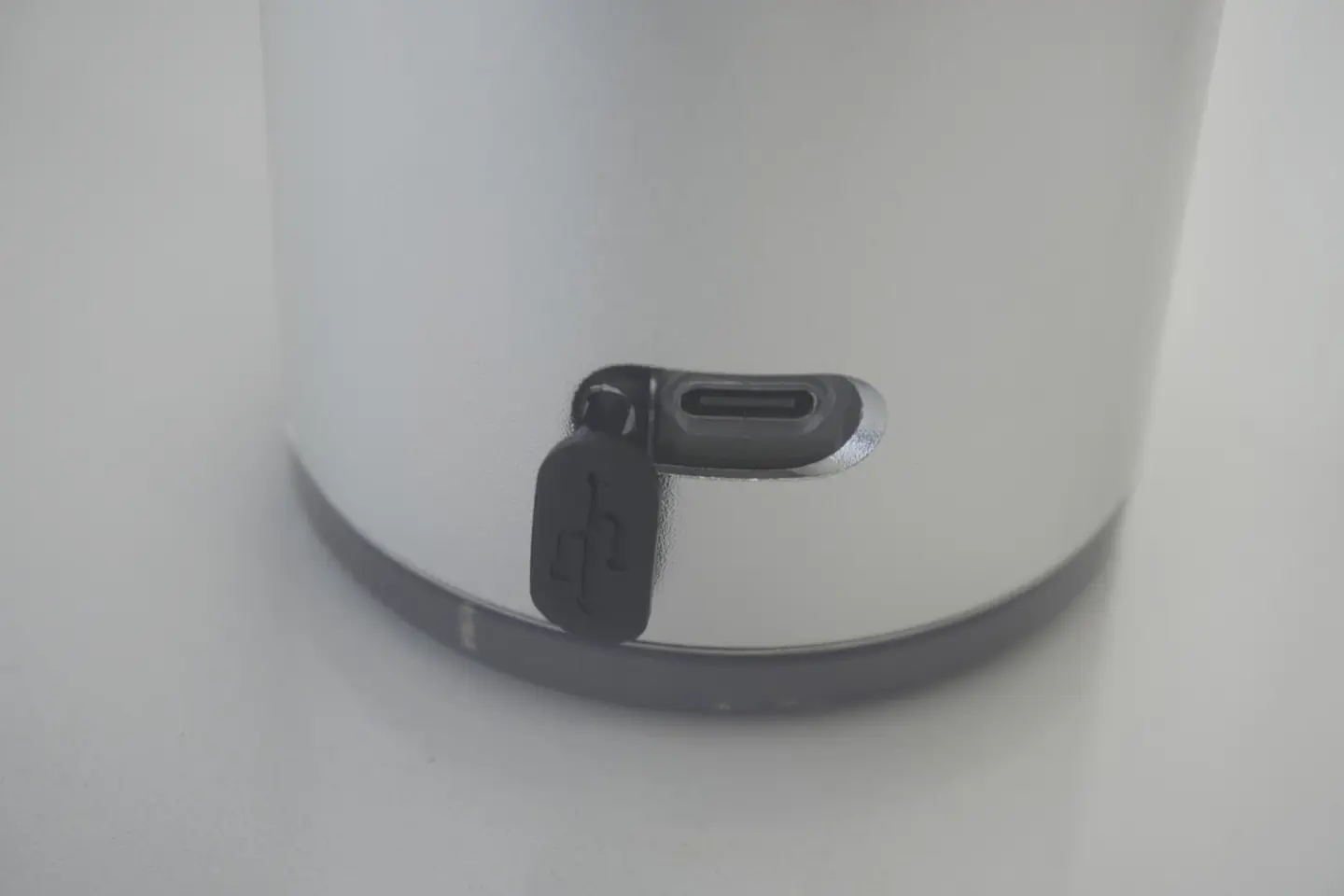
The USB-C charging port has an attached protective cover. This photograph confirms the visible port and cover arrangement; ingress protection requires separate testing.
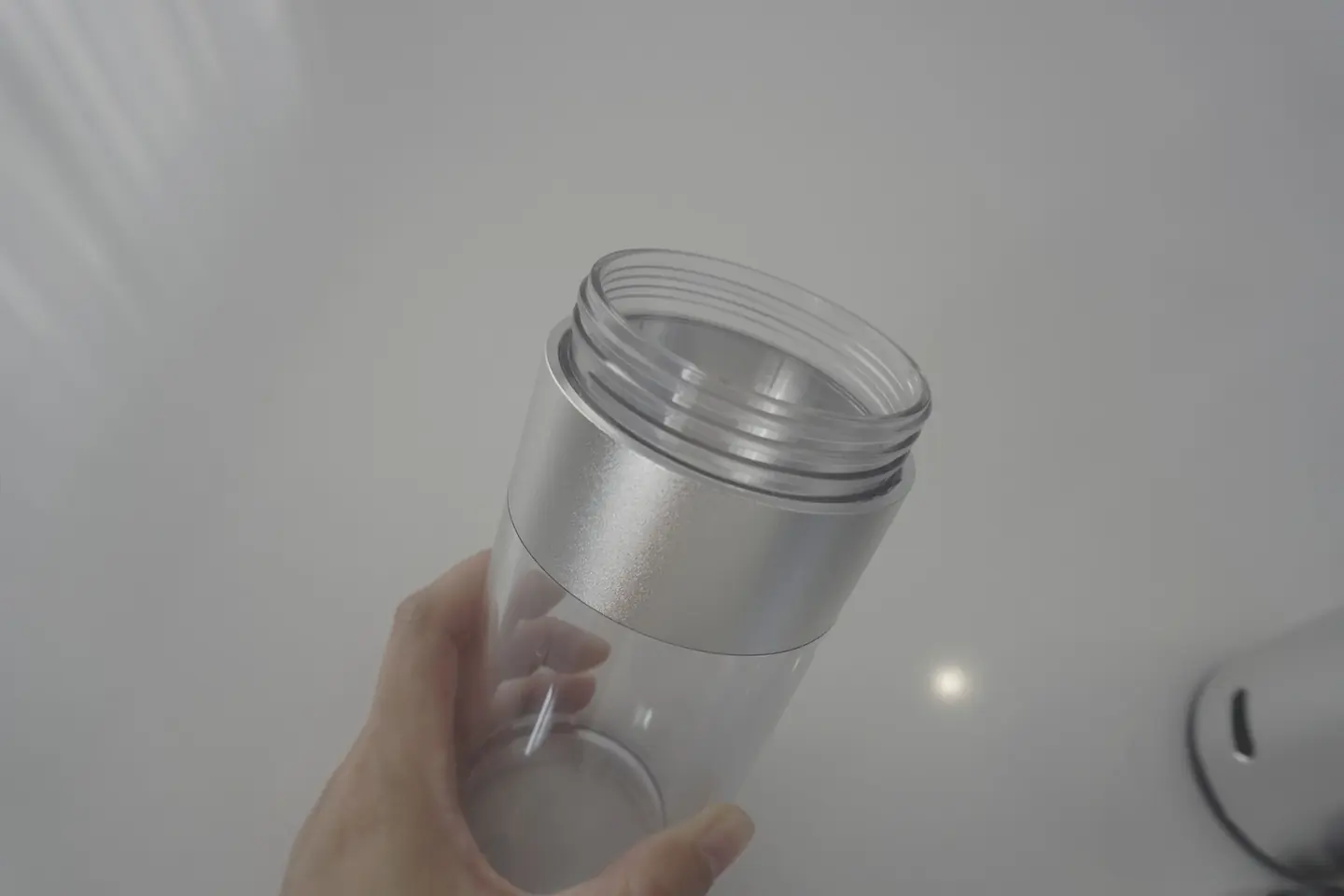
The bottle neck shows continuous transparent threads and a defined transition into the metallic collar. Thread dimensions, torque, wear, and sealing performance should still be verified with drawings and repeat-cycle tests.
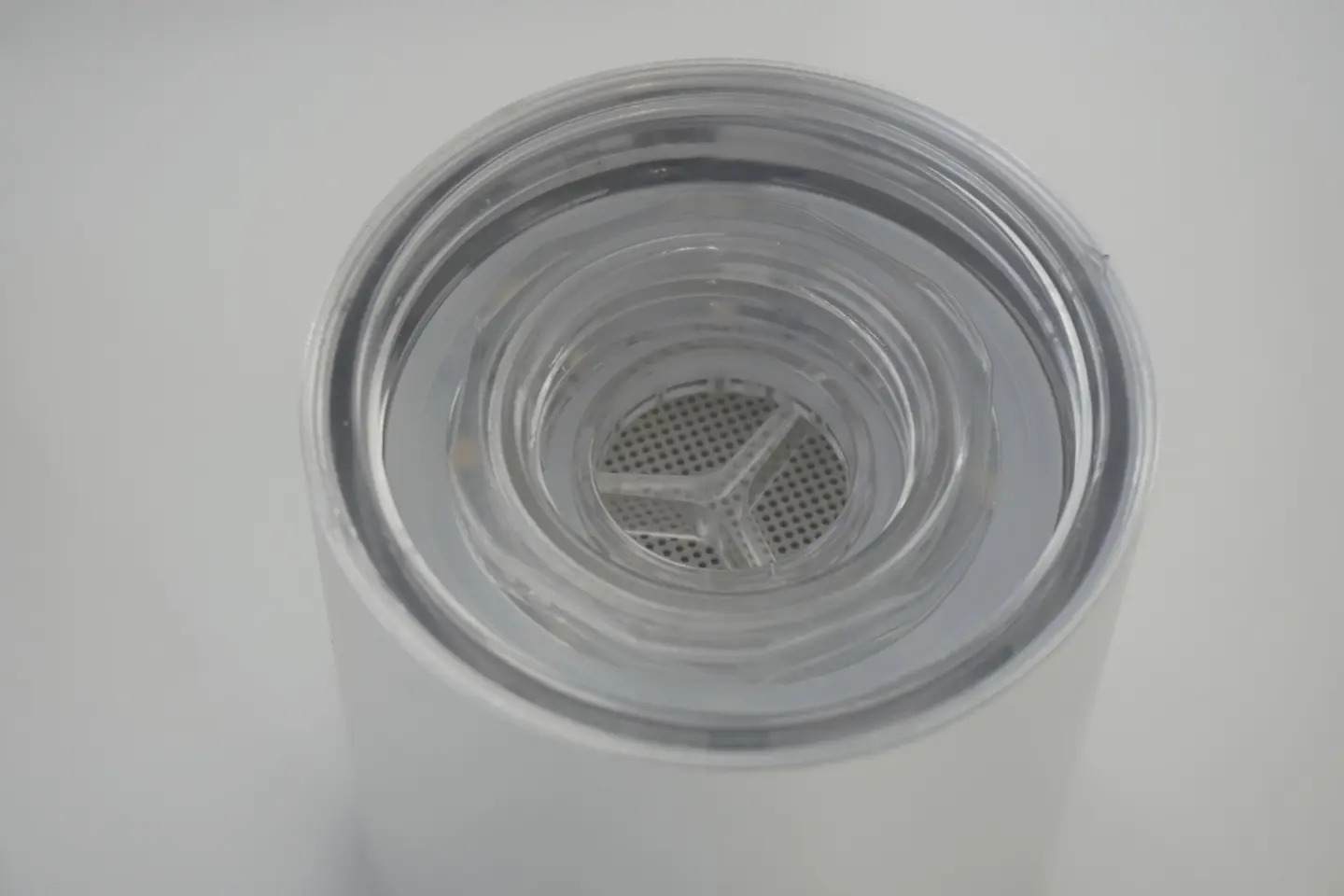
The top-down photograph shows the neck, seal path, and internal plate area in alignment.
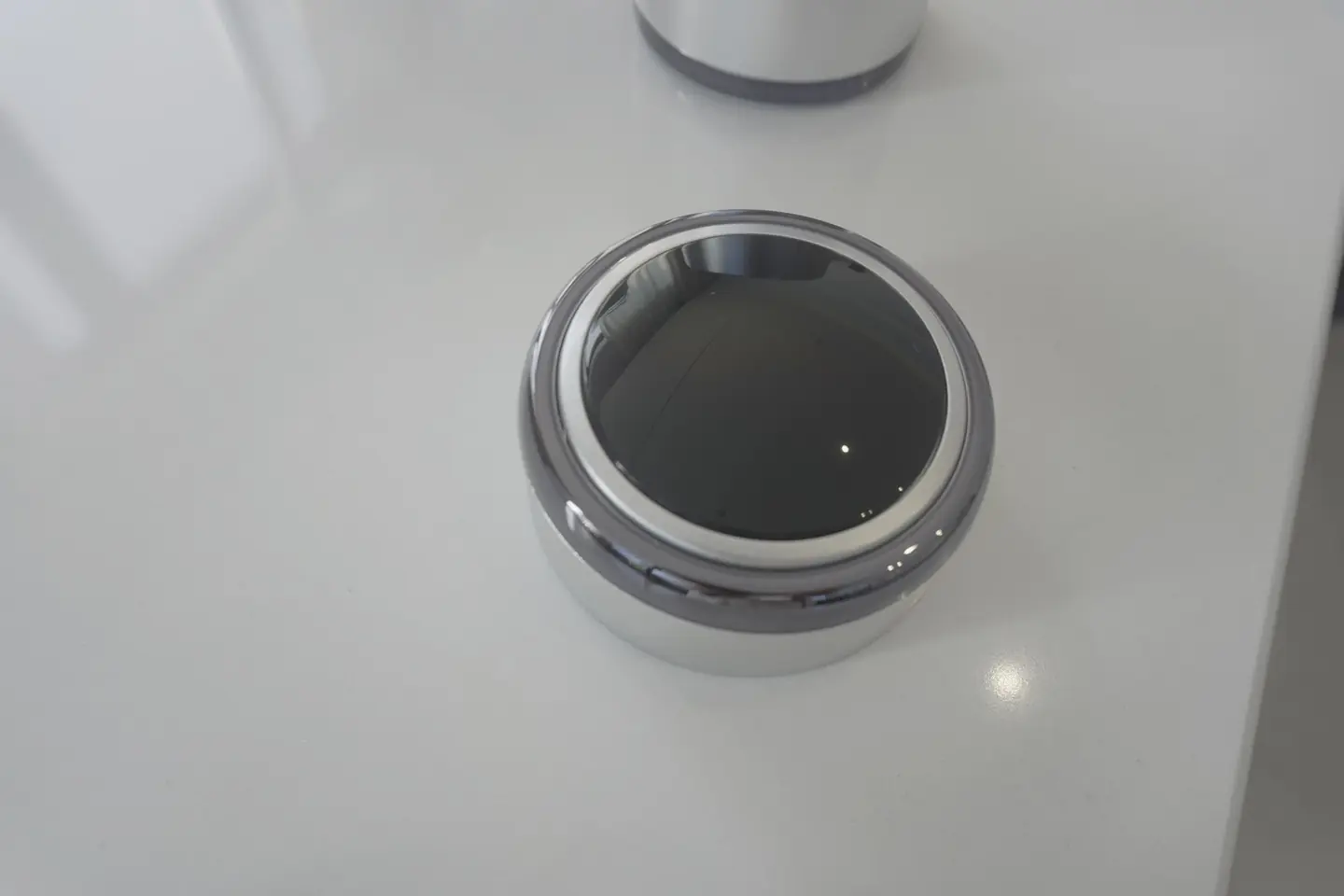
The cap combines metallic, glossy, and matte surfaces. This close view is useful for finish approval because it exposes the transitions that wide product photographs often hide.
These photographs support visual workmanship observations. They do not replace dimensional inspection, ingress testing, drop testing, production sampling, or an agreed cosmetic-defect standard.
5. Control Board and Labeled 2500 mAh Battery
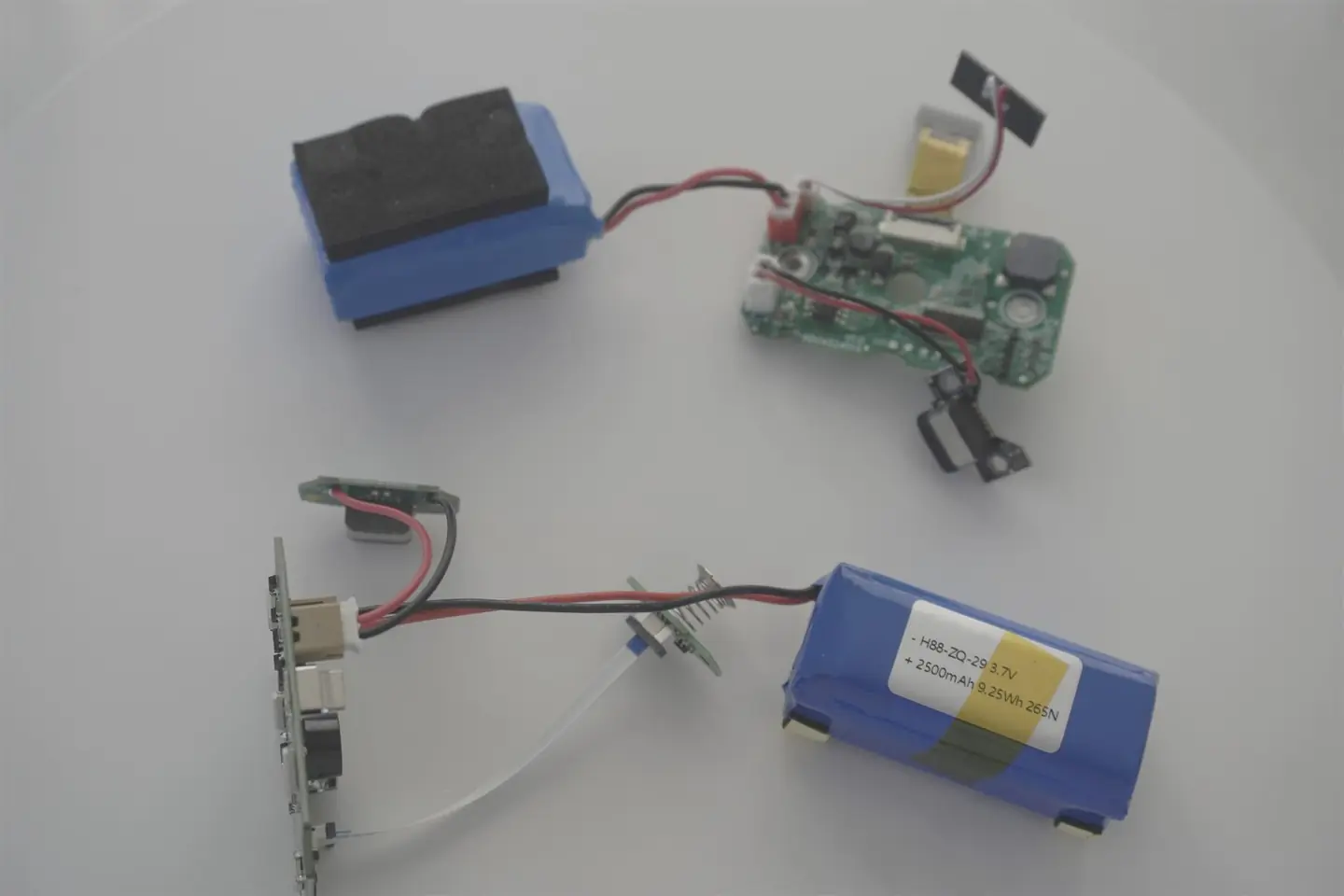
The labeled battery and connected electronics at the bottom of the comparison photograph belong to the H88. The visible label states:
- Nominal voltage: 3.7 V
- Nominal capacity: 2500 mAh
- Nominal energy: 9.25 Wh
The market-sample battery in this photograph does not show a comparable external specification label. Clear labeling supports material identification and specification review, although the label itself is not a capacity or runtime test.
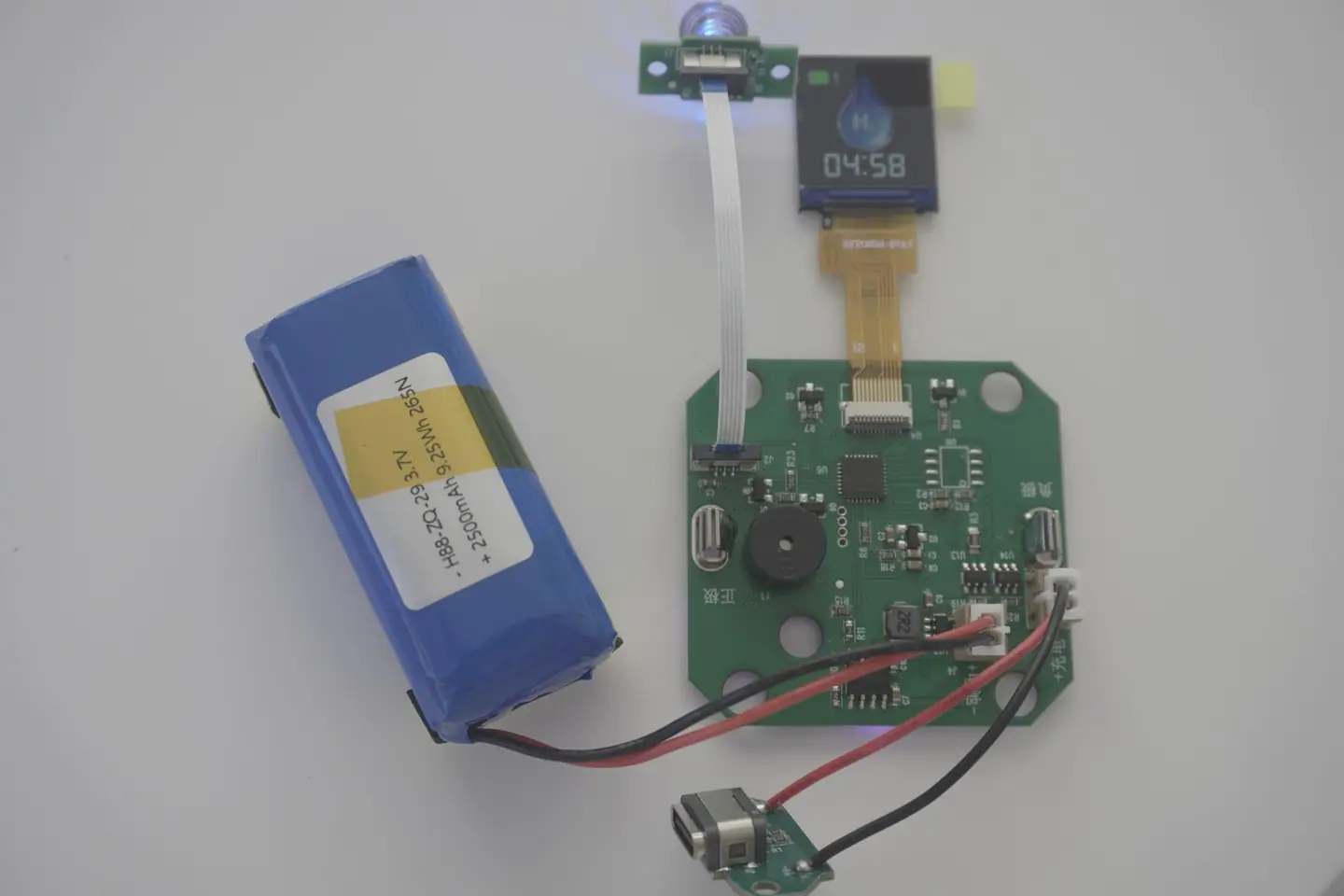
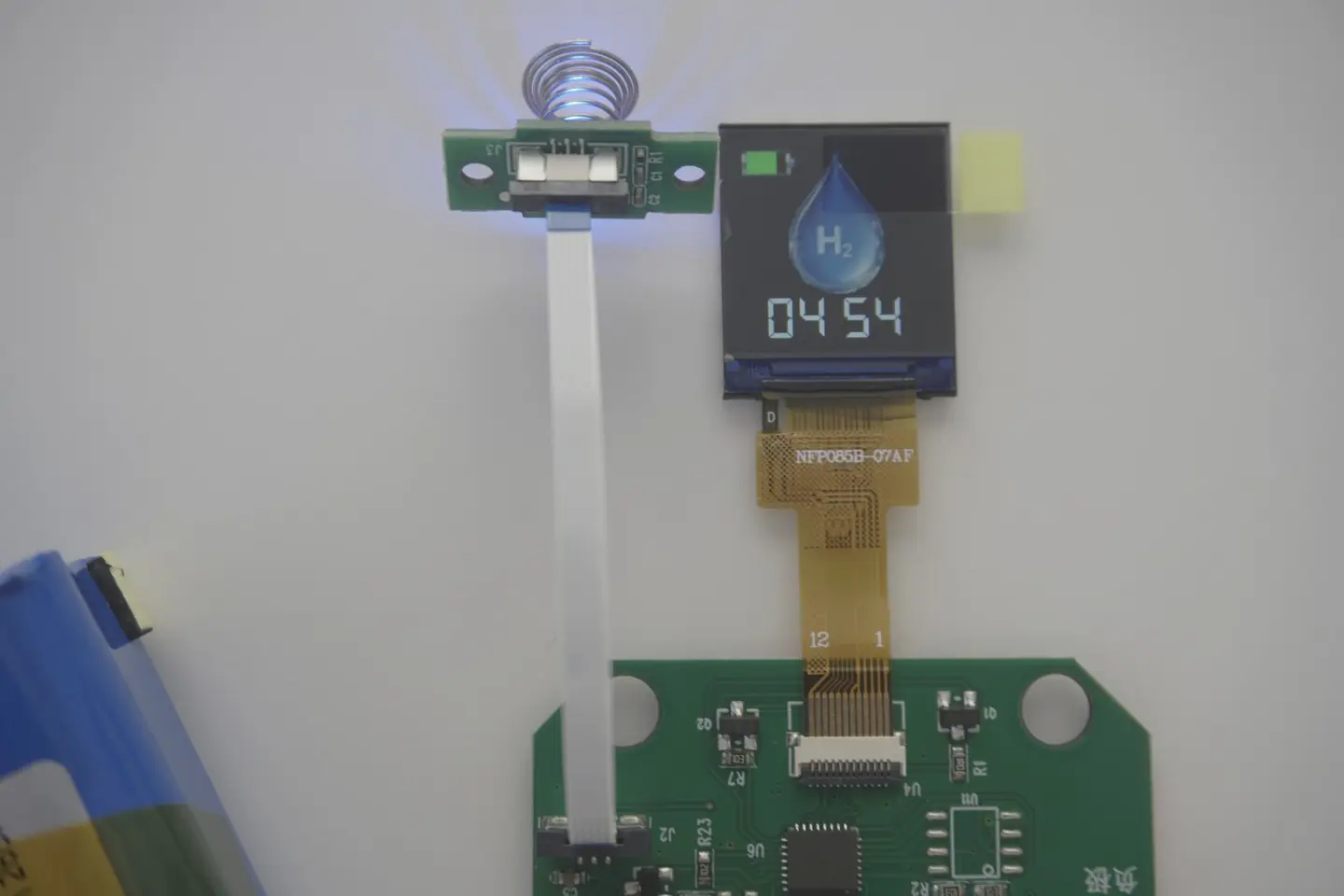
The H88-only electronics photograph shows the main board, display connection, wiring, charging interface, and labeled battery together. The separate display and control photographs make the component arrangement easier to inspect.
Battery transport report S03A25080547U00101 identifies battery model H88-ZQ-29 with the same 3.7 V, 2500 mAh, and 9.25 Wh specifications. Buyers should review the full battery file, shipping configuration, and destination requirements before transport.
Open the H88 battery transport report
6. What the H88 Hydrogen-Concentration Report Records
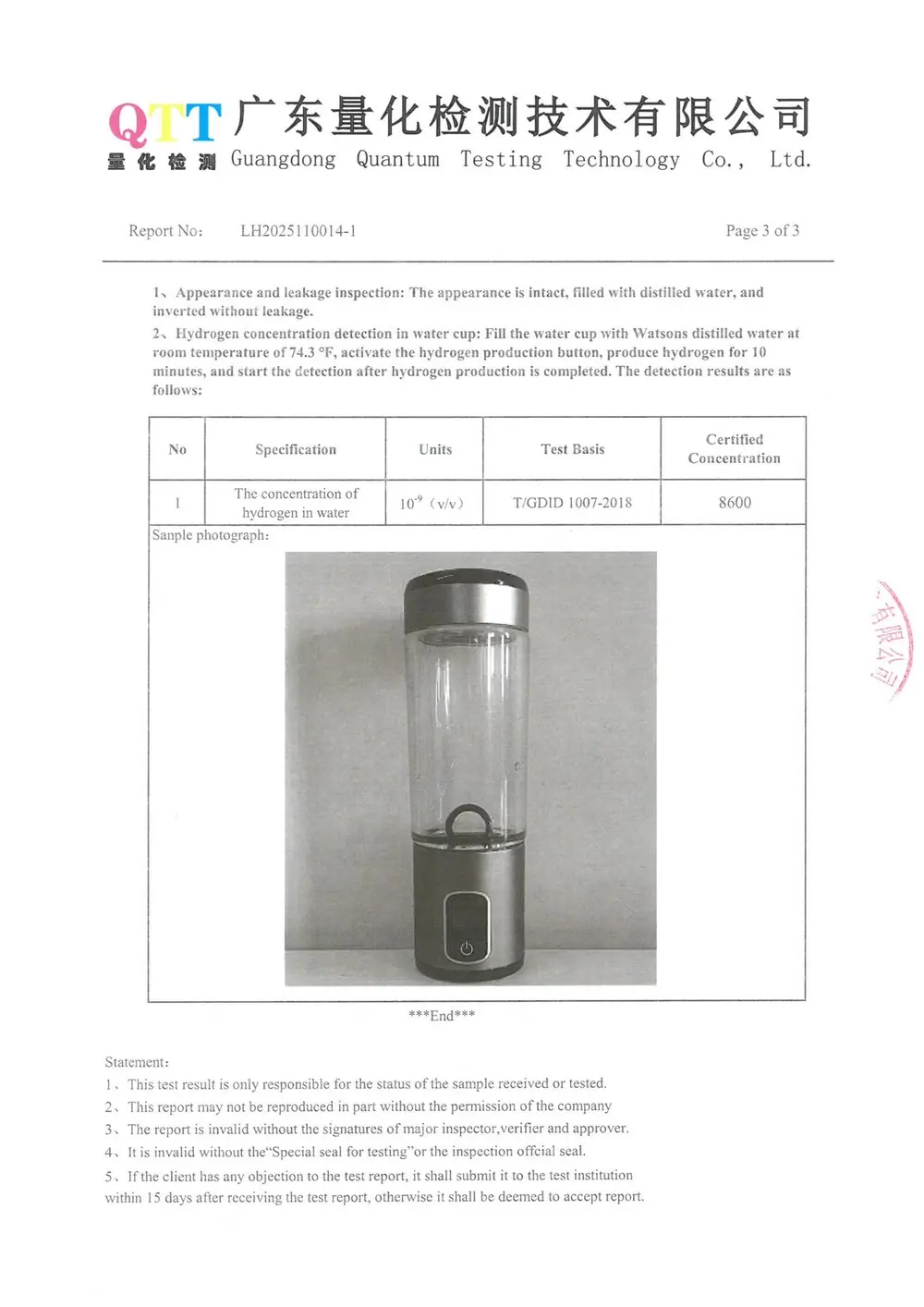
Laboratory report LH2025110014-1 identifies the submitted product as model H88. According to the report, the sample was filled with distilled water at 74.3 °F, operated for 10 minutes, and tested after hydrogen generation was completed.
The report records a certified hydrogen-in-water concentration result of 8600 in units of 10^-9 (v/v) using test basis T/GDID 1007-2018. The test date is November 28, 2025, and the report date is December 1, 2025.
This result must be interpreted carefully:
- It applies to the submitted H88 sample under the conditions stated in the report.
- It is not a head-to-head result against the market sample in this teardown.
- It does not establish the output of every production unit.
- It should not be converted into an unsupported health claim.
- The unit should be reproduced exactly as stated unless the laboratory confirms an equivalent conversion.
The report provides model-specific evidence. A superiority claim still requires both products to be tested under the same water, volume, temperature, charge state, generation duration, sampling delay, instrument, and repetition plan.
For more detail on why testing conditions matter, read Why Water Temperature Can Change a Dissolved-Hydrogen Test Result.
7. H88 Verification Documents Available for Buyer Review
The H88 qualification folder contains several documents that can be reviewed during sourcing.
Hydrogen concentration test report
- Model: H88
- Report: LH2025110014-1
- Test basis: T/GDID 1007-2018
- Report date: December 1, 2025
Open the H88 hydrogen concentration test report
CE EMC certificate
- H88 is listed in the model scope.
- Certificate: ZTS25102911KCE
- Standards shown: EN IEC 55014-1:2021 and EN IEC 55014-2:2021
- Issue date: November 4, 2025
Open the H88 CE EMC certificate
RoHS certificate
- H88 is listed in the model scope.
- Certificate: ZTS25102922VCH
- Test report: ZTS25102922VRH
Food-contact material test report
- H88 is listed in the model scope.
- Report: ZTS25102904FRC
- Report date: November 5, 2025
Open the food-contact material test report
This document should be described as material testing to the cited FDA requirements, not as “FDA approval.” A test report is not automatically a product approval, and every buyer should confirm the applicable requirements in the destination market.
8. How to Compare Hydrogen-Water-Bottle Performance Fairly
To establish whether one bottle produces a higher dissolved-hydrogen result, both products need a matched protocol:
- Use the same water source, batch, volume, and starting temperature.
- Fully charge both products and record the selected mode and duration.
- Use the same calibrated dissolved-hydrogen measurement method.
- Start sampling at the same time after each generation cycle.
- Test at least three units of each model and repeat each unit at least three times.
- Report every data point, the average, and the observed range.
Visible bubbles are not a dissolved-hydrogen measurement. A useful comparison connects photographs, specifications, conditions, and recorded results without substituting one form of evidence for another.
What OEM and Private-Label Buyers Should Ask Next
This teardown gives buyers a better starting point, but a sourcing decision should also cover sample approval, production controls, packaging, battery shipping, change control, and corrective-action procedures.
Useful next steps include:
- Use the OEM hydrogen water bottle quality-control checklist to define incoming, in-process, and final inspection.
- Review SPE/PEM hydrogen water bottle failure modes before approving a sample.
- Send suppliers a structured hydrogen water bottle RFQ so configurations and documents can be compared consistently.
- Review the private-label packaging and battery-shipping guide before confirming the shipping configuration.
- Compare available PHYFLOW hydrogen water bottle models and request the current H88 specification pack.
Conclusion: Build the Product Story Around an Evidence Chain
This H88 hydrogen water bottle teardown confirms several visible characteristics in the photographed samples: a larger proton exchange membrane, larger electrolysis plates and perforated area, a distinct base and cap architecture, close-range workmanship details, and a clearly labeled 2500 mAh battery.
The model-specific laboratory and conformity files add traceability, but they should be represented according to their actual scope. The strongest H88 presentation does not rely on a single dramatic claim. It lets buyers see the product, examine the components, open the reports, read the conditions, and decide what still needs to be verified.
Contact PHYFLOW to request H88 specifications, document copies, OEM/ODM options, and sample-evaluation support.