






Technical buyer guide
Hydrogen Inhalation Machines: A Technical Buyer Guide
A hydrogen inhalation machine should be evaluated as gas-generating electrical equipment, not by health promises. Buyers need the exact gas composition, measured output, pressure design, ventilation requirements, alarms, electrical protection and model-specific documents.
1. Define gas composition, output and operating mode
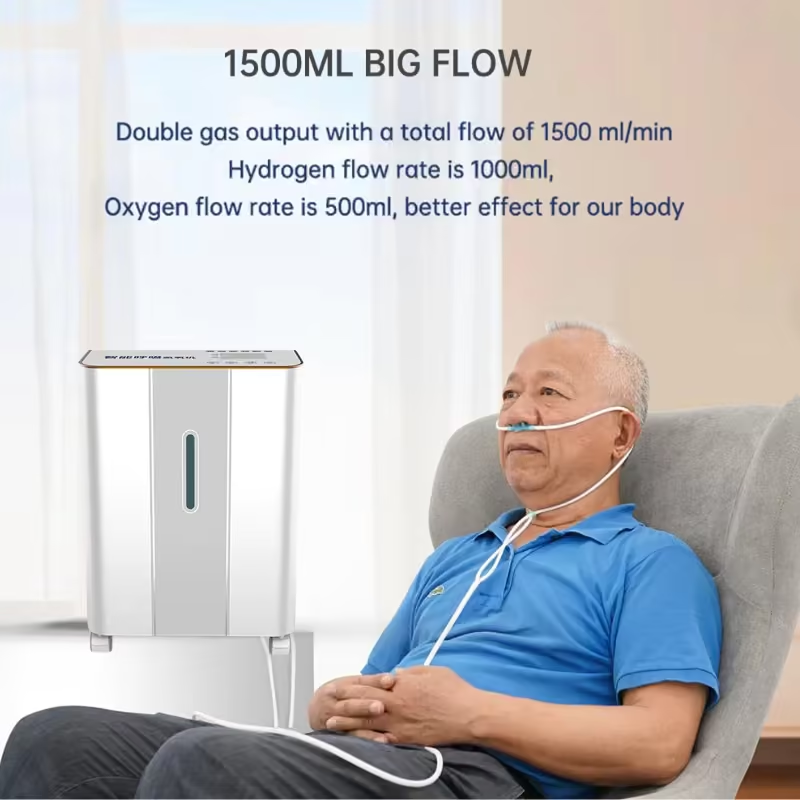
Hydrogen machines may supply hydrogen alone or a hydrogen-oxygen mixture. Flow rate, concentration, operating pressure and outlet arrangement are different specifications and must not be merged into one marketing number.
Ask for the measurement method, operating mode and tolerance. The specification on the quotation, nameplate, manual and test report should identify the same model and configuration.
- Record whether the outlet is hydrogen-only or mixed gas.
- Confirm rated flow, tolerance and measurement conditions.
- Check pressure relief and permitted tubing or accessories.
- Match the quoted model to the sample and documents.
2. Treat ventilation and ignition control as primary requirements
Hydrogen disperses quickly but can form a flammable mixture if released into an enclosed or poorly ventilated space. Installation location, ventilation, outlet routing and separation from flames, sparks and hot surfaces must be reviewed before operation.
Check automatic shutdown, leak detection where applicable, over-temperature protection, water-level control and clear fault indicators. Do not modify sealed gas paths or use unapproved accessories.
- Use only in the environment permitted by the manual.
- Keep away from ignition sources and blocked ventilation.
- Verify alarms and automatic shutdown during acceptance.
- Train operators on startup, shutdown and fault response.
3. Review compliance, hygiene and lifecycle support
Electrical safety, electromagnetic compatibility, materials, gas-contact parts and market-specific obligations depend on the destination and intended use. A certificate logo is not enough; its scope must include the exact model.
Maintenance planning should cover water quality, filters, cleaning, tubing, consumables, calibration, service intervals and spare parts. Medical use claims require separate regulatory evidence and qualified clinical oversight.
- Verify report scope, model, standard and issuing body.
- Confirm cleaning and consumable replacement procedures.
- Agree warranty, service response and spare-part availability.
- Separate equipment specifications from medical treatment claims.
Buyer questions
Is a higher flow rate always better?
No. The appropriate flow depends on the intended setting, gas composition, outlet design and operating instructions. Safety and stable delivery matter more than a headline number.
Can a machine be used in any room?
No. Follow the model-specific requirements for ventilation, clearances and ignition control. An enclosed, unreviewed location is not appropriate.
Does this guide recommend hydrogen inhalation as treatment?
No. It is an equipment procurement and safety guide. Medical decisions require qualified clinicians and applicable regulatory approval.
Editorial note: product performance depends on the exact model, water conditions, cycle and test method. Health information is educational and is not medical advice.