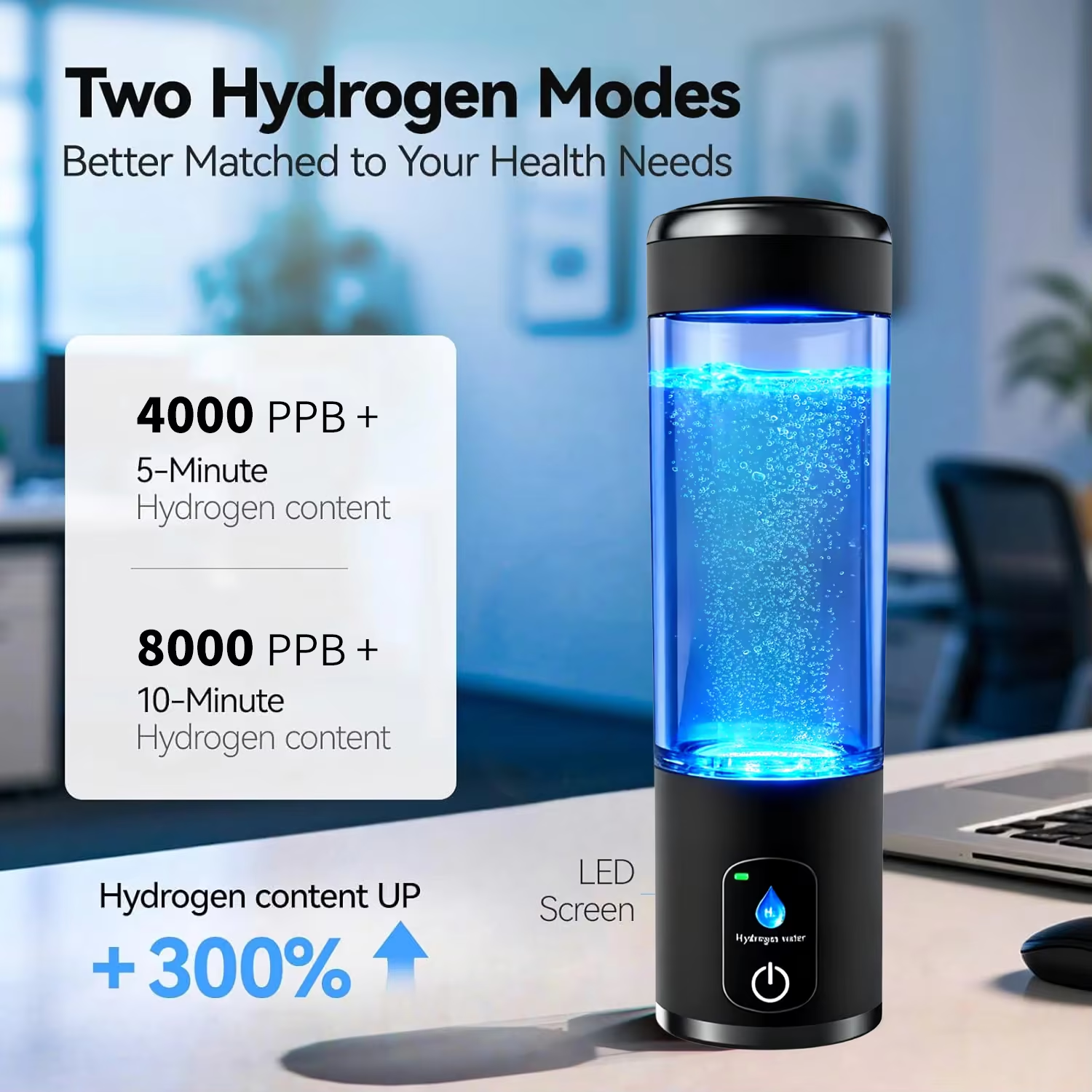
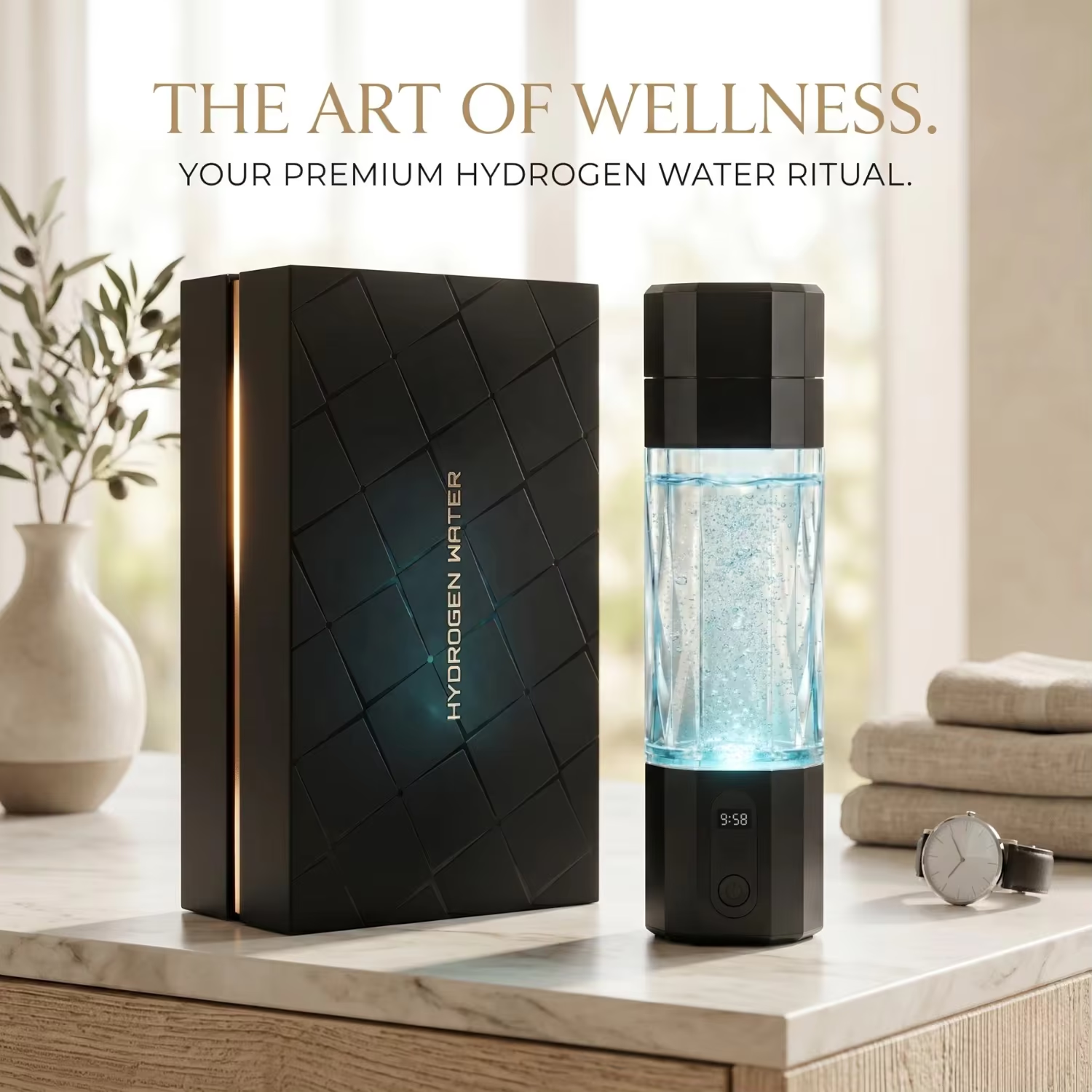
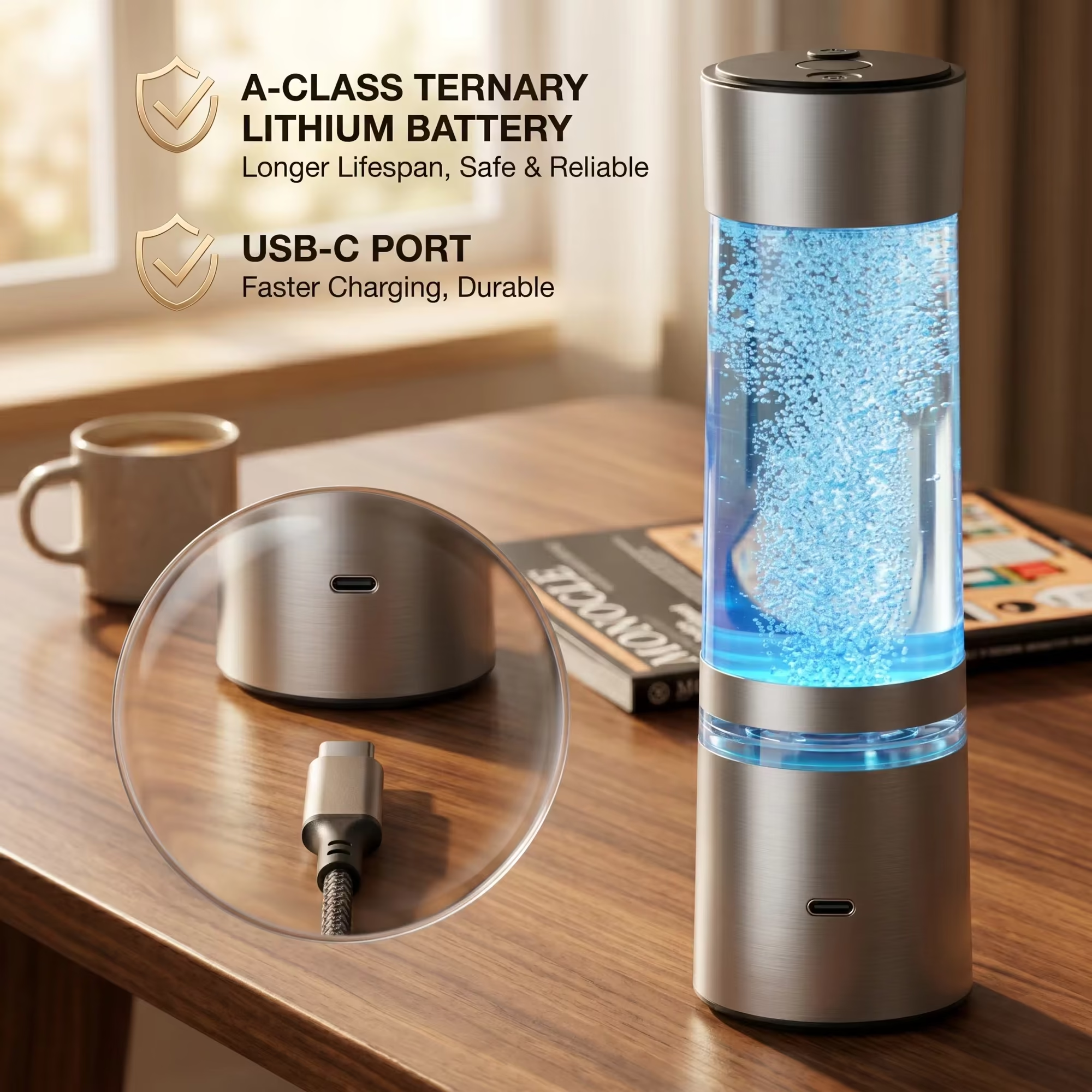
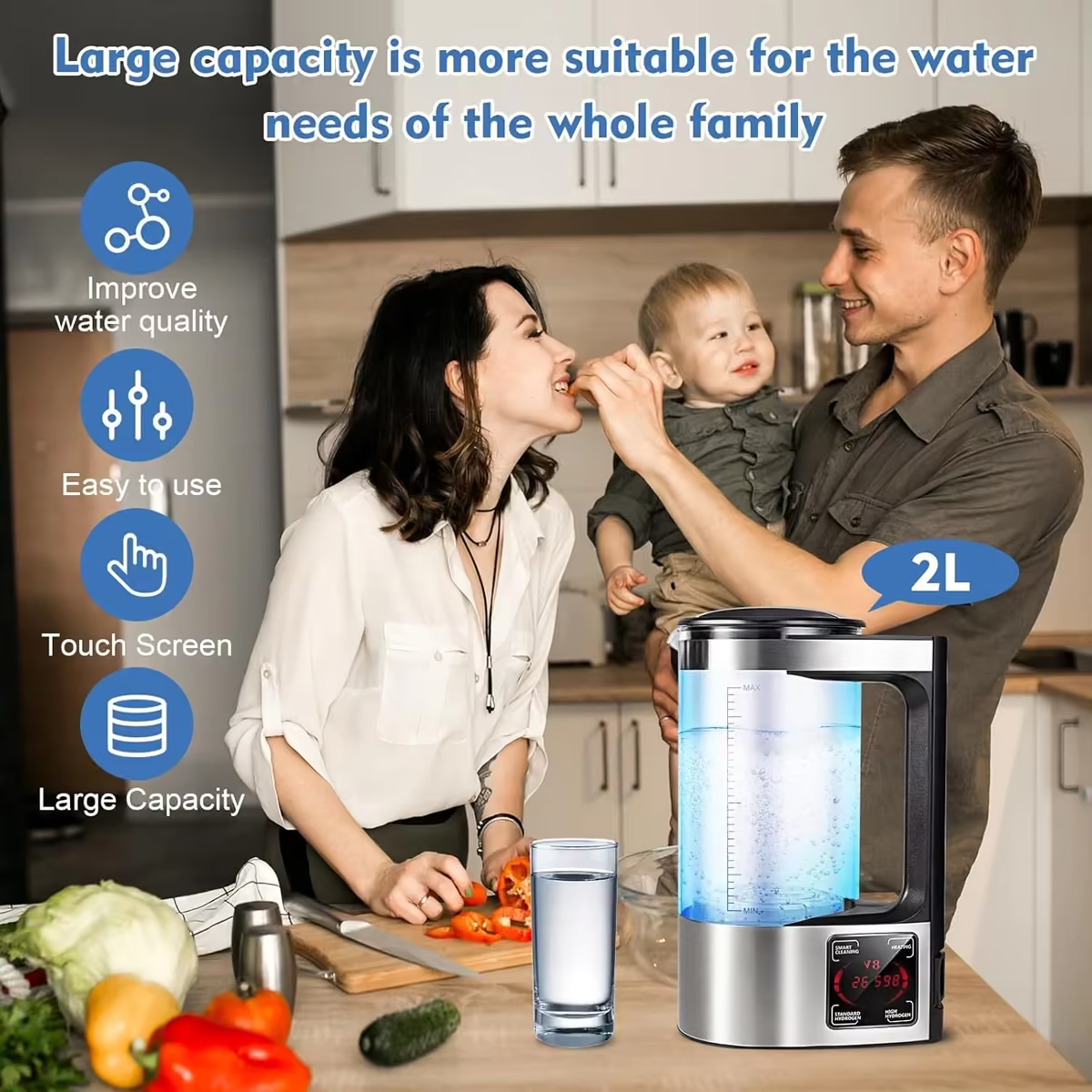



Mineral deposits can gradually collect inside a hydrogen water bottle, particularly around the electrolysis area when the bottle is used with mineral-rich or hard water. Proper descaling helps keep the bottle clean, supports consistent operation, and gives users a better long-term ownership experience.
This guide explains a practical cleaning routine using approximately 5 g of food-grade citric acid and two electrolysis cycles. It is intended as general maintenance guidance for compatible PHYFLOW models, not as a medical or therapeutic claim.
Important: Always follow the manual supplied with your specific bottle. Cleaning instructions, water capacity, cycle length, and removable components can vary by model.
Why Does a Hydrogen Water Bottle Need Descaling?
Tap water naturally contains dissolved minerals. When water is repeatedly processed in a portable hydrogen bottle, some of these minerals may leave deposits on surfaces near the electrolysis components. The rate of buildup depends on water hardness, frequency of use, and the design of the bottle.
Descaling is different from ordinary rinsing. Daily rinsing removes loose residue, while a suitable descaling solution helps loosen mineral deposits that water alone may not remove.
What You Need
- Approximately 5 g of food-grade citric acid
- Clean water
- Your hydrogen water bottle
- A sink or suitable cleaning area
- A soft, non-abrasive cloth
Do not use steel wool, abrasive brushes, bleach, strong household cleaners, or unapproved chemicals on the bottle or its electrolysis components.
Watch the 75-second descaling demonstration: View the hydrogen water bottle cleaning video.
How to Descale a Hydrogen Water Bottle
1. Empty and Inspect the Bottle
Empty the bottle and rinse it with clean water. Check the inside for visible residue. If the lid, seal, or another component is removable, follow the product manual before taking it apart. Do not force any electrical or sealed component open.
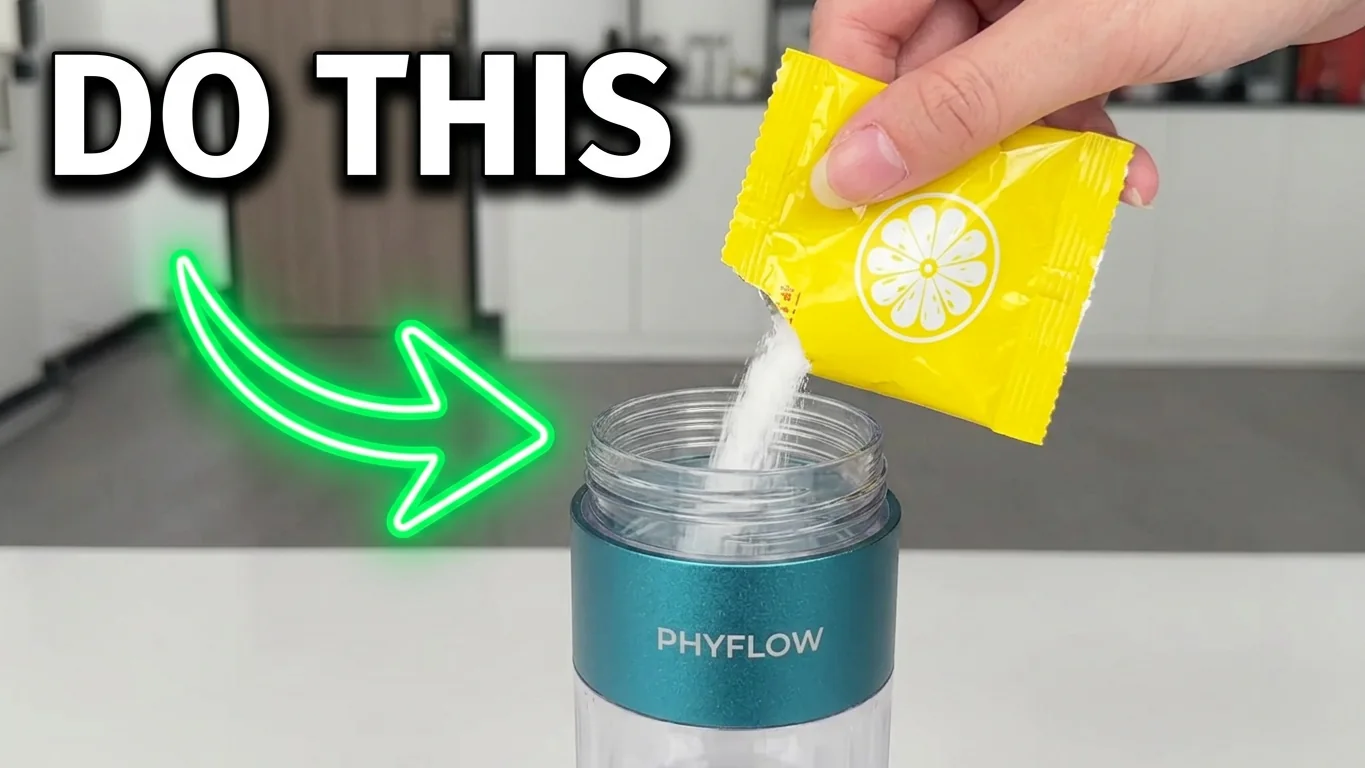
2. Add Approximately 5 g of Food-Grade Citric Acid
Add approximately 5 g of food-grade citric acid to the bottle. Add the amount of clean water specified for the model and gently mix until the citric acid dissolves. Do not fill beyond the maximum water level.
3. Run the First Electrolysis Cycle
Start one electrolysis cycle using the bottle’s normal controls. Keep the bottle upright on a stable surface. The liquid used during this process is a cleaning solution and must not be consumed.
4. Empty and Rinse
When the first cycle is complete, carefully empty the bottle into a sink. Rinse the bottle with clean water to remove loosened deposits and remaining cleaning solution.
5. Run the Second Electrolysis Cycle
Prepare the cleaning solution again if required by the instructions for your model, then complete a second electrolysis cycle. This second cycle is intended to continue loosening deposits in the electrolysis area.
6. Empty, Rinse, and Dry
After the second cycle, discard the cleaning solution. Rinse the bottle and all approved removable parts thoroughly with clean water. Wipe the exterior with a soft cloth and allow the components to dry before reassembly.
Once all cleaning solution has been removed, return the bottle to normal use according to its manual.
How Often Should You Descale the Bottle?
There is no single schedule that applies to every user. Descaling frequency depends on:
- Local water hardness
- How often the bottle is used
- Whether tap, filtered, or mineral water is used
- The bottle’s electrolysis structure
- The manufacturer’s model-specific instructions
A visible mineral film or deposits around the electrolysis area may indicate that cleaning is due. In hard-water regions, maintenance may be required more frequently. Using water that is suitable for the specific model can help reduce avoidable buildup.
Common Hydrogen Bottle Cleaning Mistakes
Using More Citric Acid Than Recommended
A stronger solution is not automatically a better solution. Excess concentration may be unsuitable for seals, finishes, or other components. Follow the amount stated in the manual for the relevant model.
Drinking the Descaling Solution
Food-grade citric acid is used here as a cleaning material. The solution produced during descaling should always be discarded and must not be treated as drinking water.
Skipping the Final Rinse
Rinse the bottle thoroughly after cleaning. Do not resume normal use until the solution and loosened residue have been removed.
Using Abrasive Cleaning Tools
Abrasive tools can scratch transparent bottle bodies, damage surface finishes, or affect sensitive components. Use a soft cloth and only the tools approved in the manual.
Soaking Electrical Components
Do not immerse charging ports, electronic bases, or other non-waterproof parts unless the manufacturer specifically confirms that this is permitted.
Maintenance Guidance for Importers and Private-Label Brands
For an importer or private-label brand, product quality does not end when production is completed. Clear operating and maintenance information is part of a reliable customer experience.
A model-specific cleaning guide can help a brand:
- Reduce avoidable after-sales questions
- Explain suitable water and cleaning materials
- Set realistic maintenance expectations
- Standardize support across retail channels
- Improve the quality of manuals, support pages, and QR-code videos
Maintenance requirements should also be reviewed during sourcing. Our OEM hydrogen water bottle quality-control checklist outlines additional points buyers can evaluate before production. Buyers preparing an inquiry can also use our hydrogen water bottle RFQ template to organize specifications and supplier questions.
Frequently Asked Questions
Can I use vinegar instead of citric acid?
Do not substitute another cleaning material unless it is approved for your exact model. Acidity, odor, residue, and material compatibility can differ.
Can I drink the water used during descaling?
No. The descaling solution is for cleaning only and should be discarded after each cycle.
Can a hydrogen water bottle go in a dishwasher?
Only if the manufacturer explicitly identifies the bottle and its relevant components as dishwasher-safe. Electrical bases and charging ports generally require special care.
Does descaling prove that a bottle provides health benefits?
No. Descaling is a maintenance procedure. It does not demonstrate, diagnose, prevent, or treat any medical condition.
What should B2B buyers request from a supplier?
Ask for a model-specific user manual, cleaning procedure, approved water guidance, packaging instructions, and an after-sales support process. For a broader sourcing review, see our B2B buyer checklist for choosing an OEM hydrogen water bottle manufacturer.
Work With a Hydrogen Bottle Manufacturer
PHYFLOW is a China-based Hydrogen Bottle Manufacturer serving importers, distributors, retailers, and private-label brands in international markets.
Available project support may include custom colors, logo application, retail packaging, OEM/ODM development, model-specific user instructions, and wholesale production. Contact PHYFLOW to discuss your product specifications, target market, packaging requirements, and expected order volume.