

Buyer guide
How to Choose the Best Hydrogen Water Bottle
The best bottle is not the one with the largest number on a product page. It is the model whose hydrogen result, construction, operating cycle, documentation and after-sales plan can all be checked under stated conditions.
1. Begin with how the bottle produces hydrogen
Most portable bottles use electrolysis to generate molecular hydrogen. A model using a proton-exchange membrane and solid polymer electrolyte is designed to separate the gases formed at the electrodes instead of simply bubbling every electrolysis by-product into the drinking chamber.
Ask the supplier to explain the cell structure, venting path and recommended water type. Terms such as “SPE/PEM” are useful only when they describe the actual component installed in the quoted model.
- Confirm the exact electrolysis-cell type and electrode material.
- Check where oxygen and other gases leave the system.
- Ask which water types are permitted and which are prohibited.
- Match the specification sheet to the model shown on the quotation.
2. Compare hydrogen results under the same test conditions
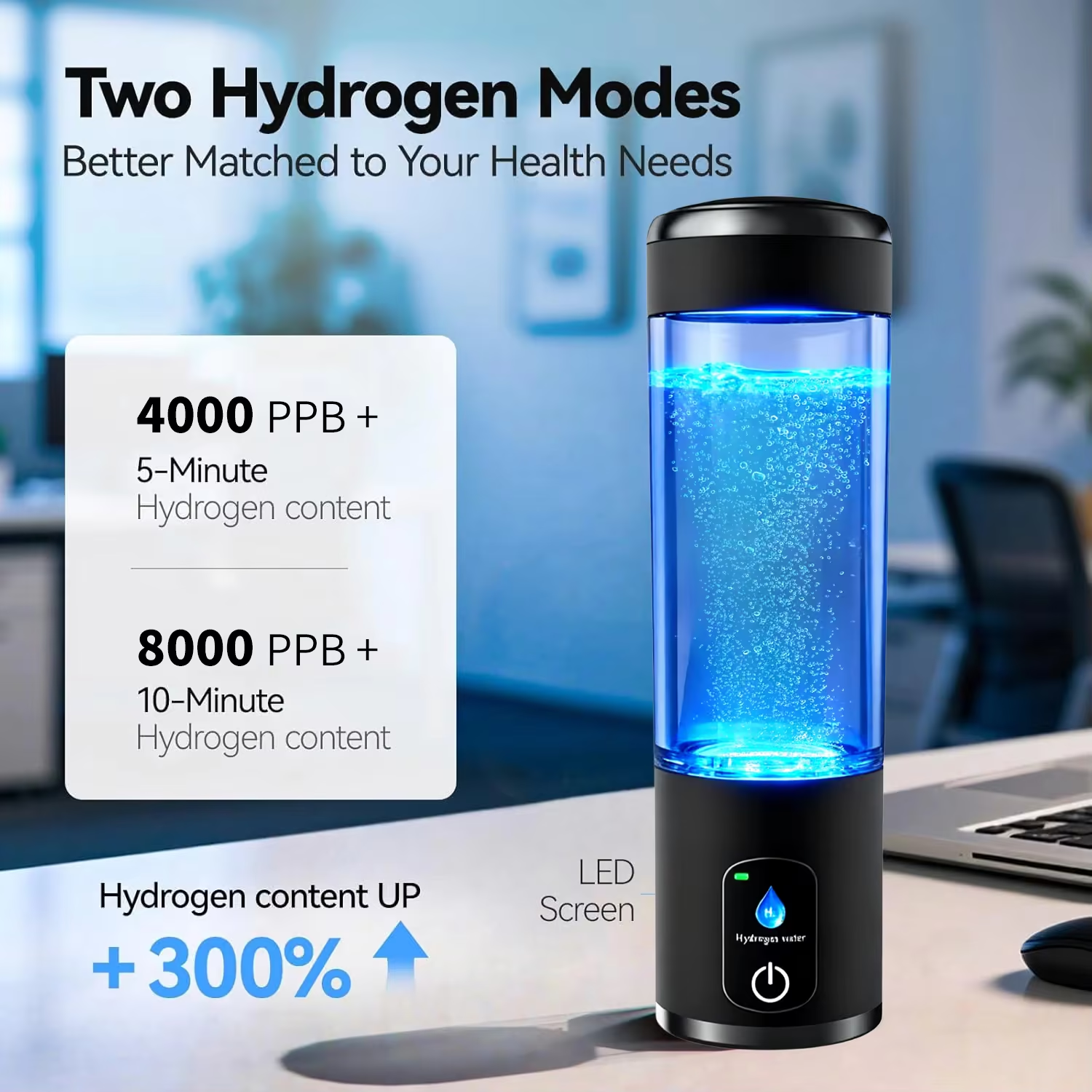
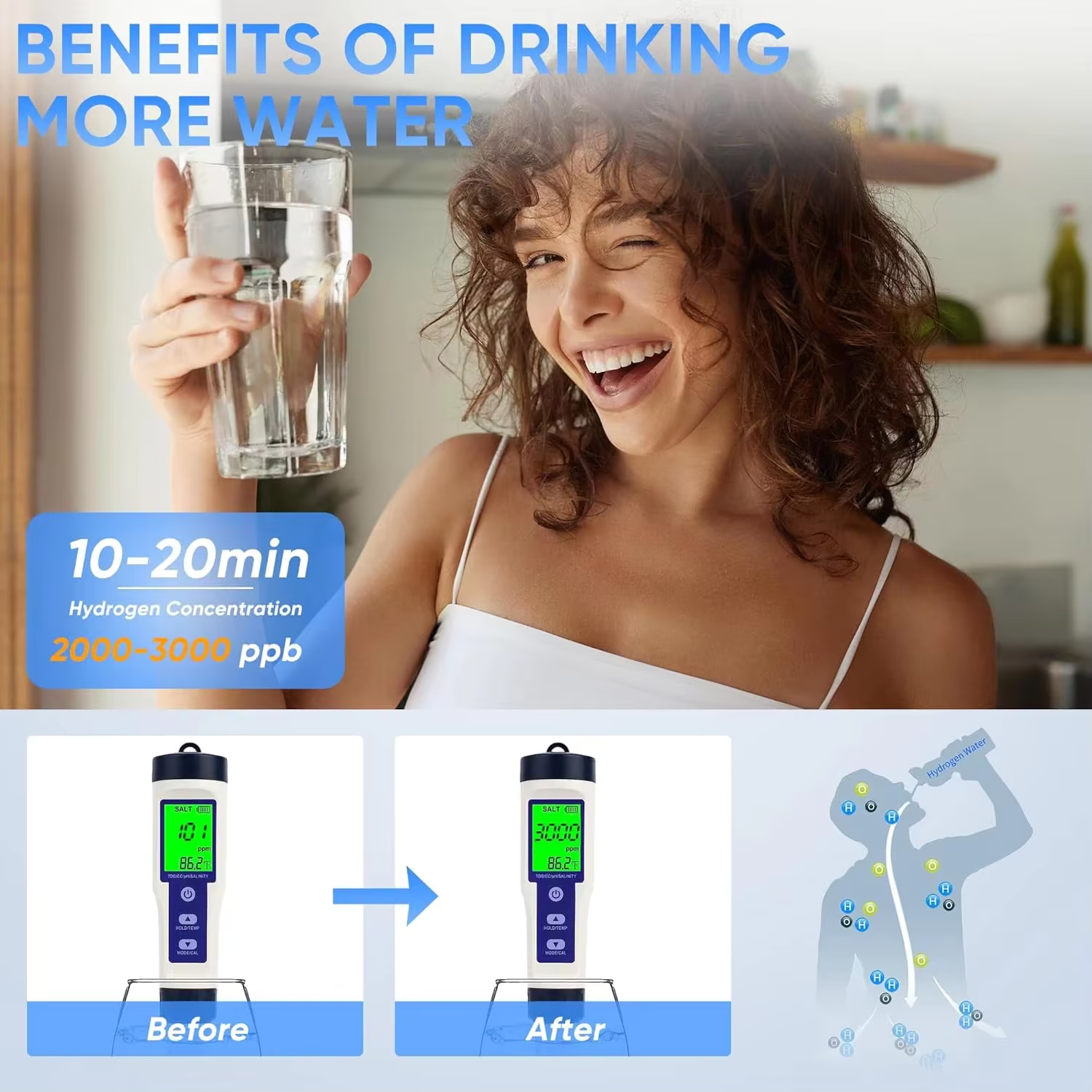
Dissolved hydrogen is commonly reported in parts per billion or milligrams per litre. A number without the starting water, volume, temperature, cycle time, waiting time and test instrument is not a reliable comparison. Gas bubbles, ORP and dissolved-hydrogen concentration are related observations, but they are not interchangeable measurements.
For a fair sample test, use the same water, fill volume and cycle for every model. Measure promptly after the cycle because dissolved hydrogen can decrease after the bottle is opened or left standing.
- Request the test method and instrument, not only a headline ppb value.
- Record water source, temperature, volume and cycle duration.
- Repeat the test and compare consistency as well as the peak result.
- Treat medical benefit claims separately from product-performance data.
3. Inspect materials, pressure management and daily usability
The drinking chamber, seals, electrodes and lid all affect durability and taste. Buyers should verify the grade of metal or polymer, food-contact declarations for the target market and whether replacement seals or bases are available.
A practical bottle should be easy to fill, lock, vent and clean. Check the full-bottle weight, charging port protection, indicator clarity, cycle controls and whether the design prevents accidental activation in a bag.
- Verify food-contact documentation for every wetted material.
- Inspect the pressure-release and lid-locking design.
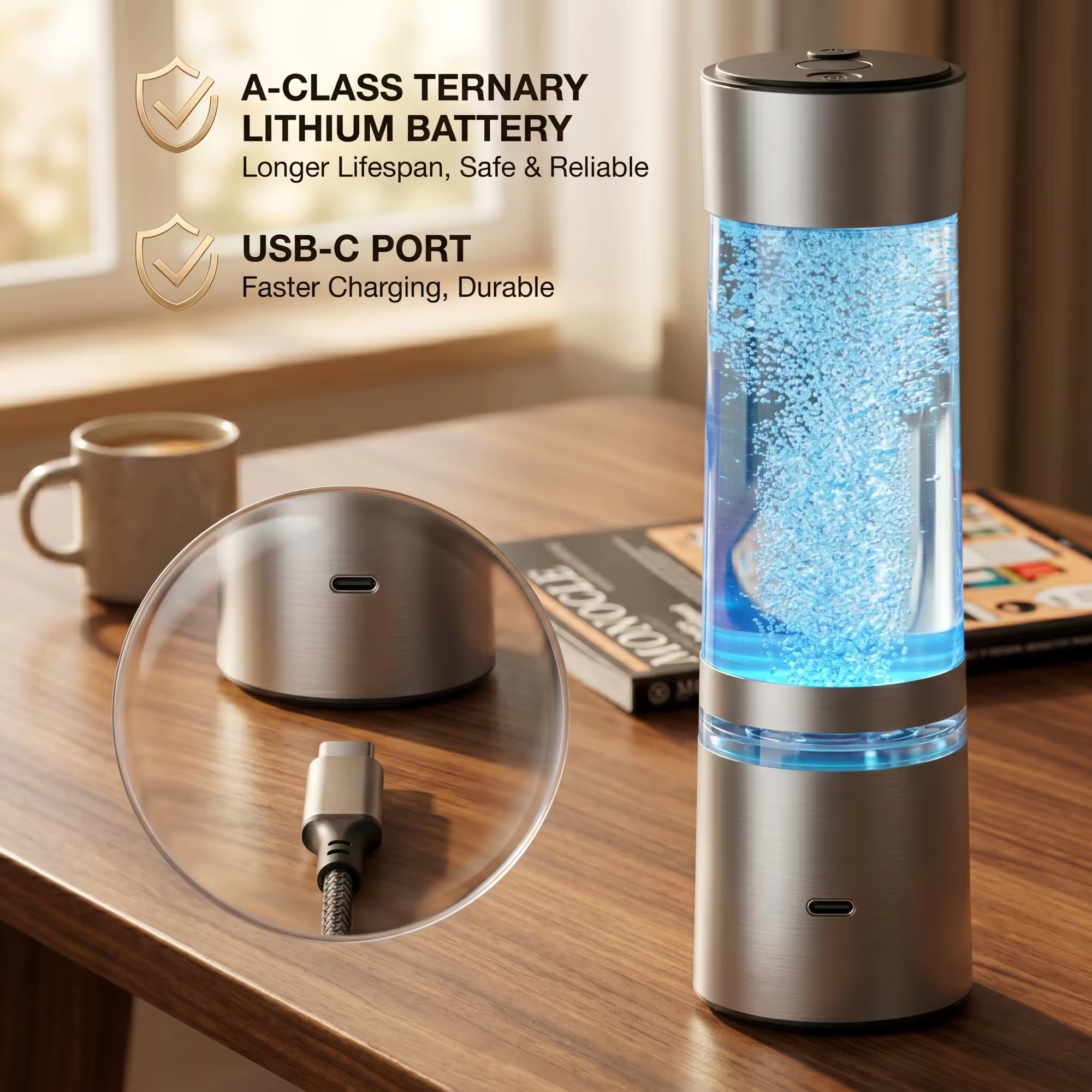
- Check battery capacity, charging input and transport documents.
- Test leakage, noise, grip and one-handed operation with a real sample.
4. Match certificates to the exact product
A certificate logo on a sales image does not prove that the quoted bottle is within scope. Check the applicant, manufacturer, model number, standard, issuing body, report reference and validity. For rechargeable products, the battery identity should also match the UN38.3 and safety data supplied for shipping.
Requirements vary by destination and sales channel. Build a document checklist for the actual market before approving packaging or making compliance claims.
- Match the model name on the report to the sample and quotation.
- Check dates, revisions, standards and issuing organization.
- Confirm battery model and capacity across product and shipping files.
- Ask a qualified compliance adviser about market-specific obligations.
5. Calculate ownership cost and approve a production sample
Price should include more than the unit itself. Consider replacement parts, warranty handling, packaging, charging accessories, inspection, freight and the cost of inconsistent batches. For private label orders, define artwork, colour tolerance, carton details and approval checkpoints in writing.
The final decision should be based on the exact pre-production sample and an agreed inspection standard. Retain one approved sample so later shipments can be compared against it.
- Run repeated cycles and leak tests on the exact sample.
- Confirm minimum order quantity, lead time and spare-part policy.
- Approve branding files and packaging proofs before production.
- Define incoming or pre-shipment inspection criteria.
Frequently asked questions
Is a higher ppb number always better?
No. Results are meaningful only when the water, volume, temperature, cycle and measurement method are stated. Repeatability, gas separation, construction and documentation also matter.
Can I use mineral water in every hydrogen bottle?
No. Allowed water depends on the cell and manufacturer instructions. Some mineral content can create deposits or affect the electrolysis system, so follow the manual for the exact model.
What should a business buyer request before ordering?
Request a model-specific specification, test conditions, food-contact information, battery and transport documents, warranty terms, packaging details and an exact sample.
Editorial note: product performance depends on the exact model, water conditions, cycle and test method. Health information is educational and is not medical advice.