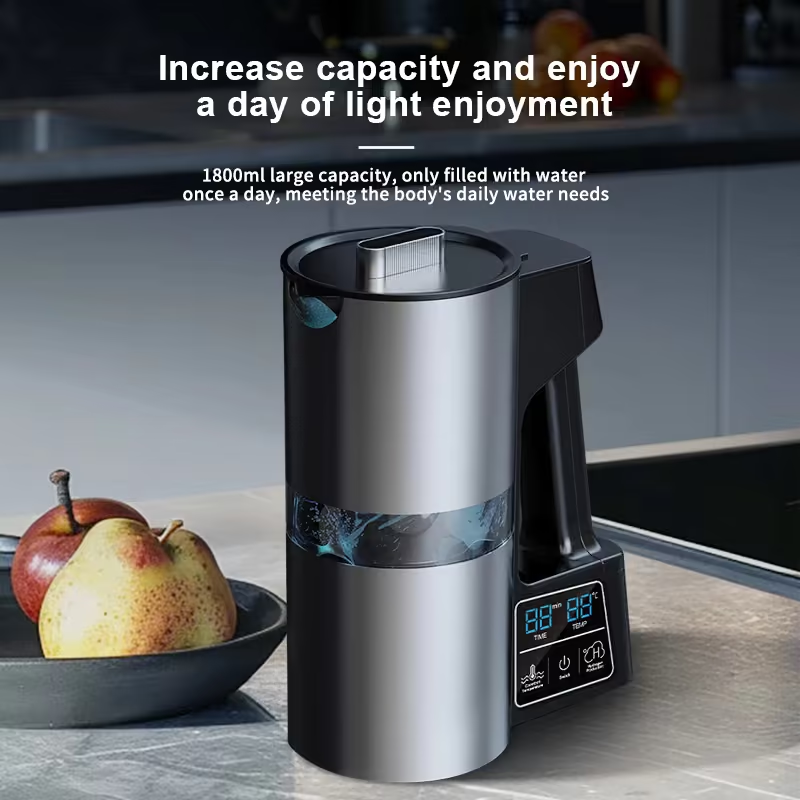
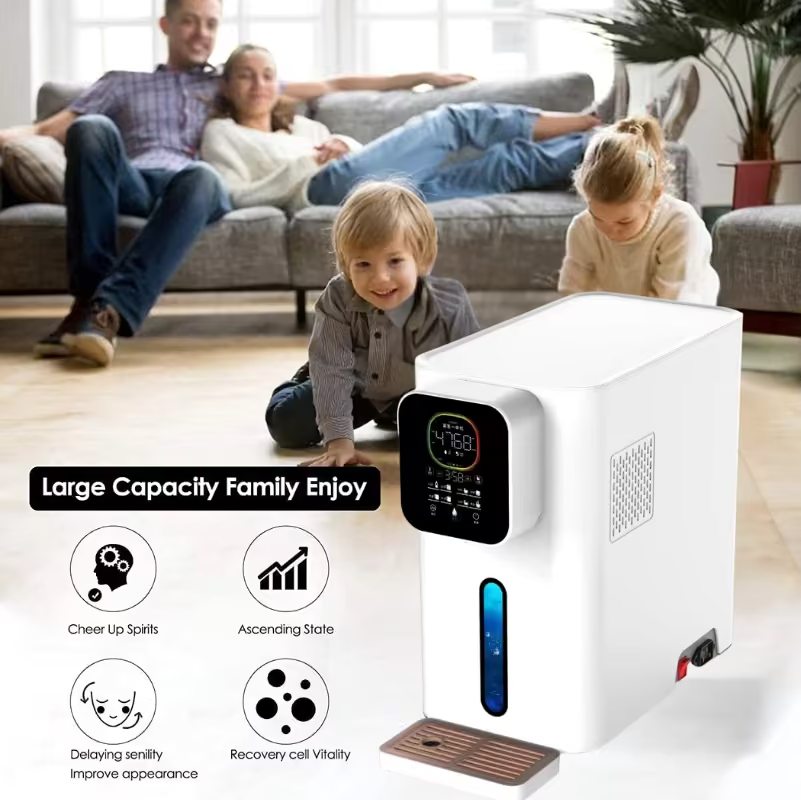
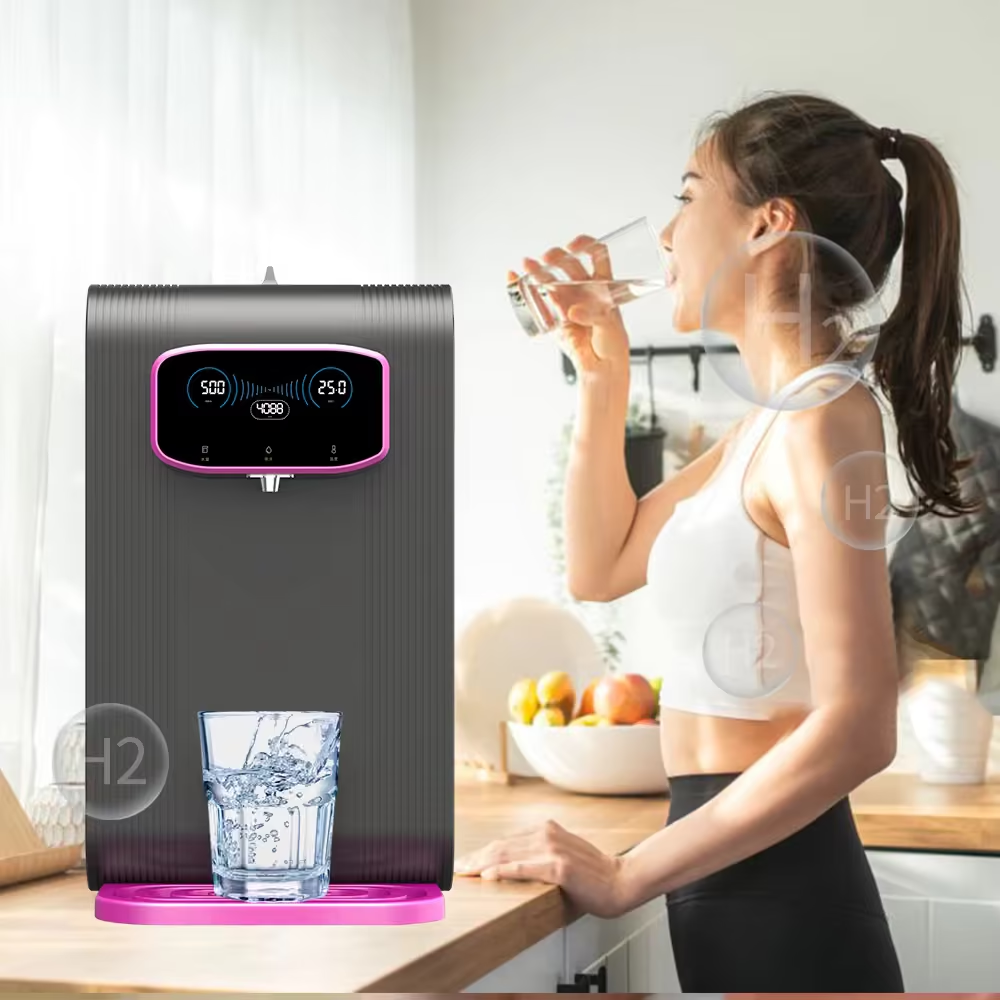

Choosing an OEM hydrogen water bottle manufacturer is not a matter of comparing a few catalog photos and unit prices. For a private-label launch, distributor range, or promotional program, the supplier must be able to translate a product brief into a repeatable specification, a reviewable sample, and a controlled bulk order.
This guide gives B2B buyers a practical framework for evaluating potential partners. It is designed for sourcing teams, brand owners, and distributors who need to compare models, customization scope, documentation, packaging, and production readiness before placing an order.
Start With a Written Product Brief
A useful supplier conversation starts with a brief that distinguishes what is essential from what is flexible. Define your intended sales channel, target retail position, expected order quantity, branding requirements, preferred bottle capacity, target market, and delivery window. A manufacturer can then recommend the most appropriate platform model rather than quoting an unsuitable product.
For hydrogen water bottles, ask the supplier to identify the exact model and revision being quoted. Product photographs, promotional graphics, and sample units can differ from current production configurations. Request a dated product sheet that identifies the material, capacity, charging method, cycle options, included accessories, and carton details.
1. Verify the Product Configuration
Compare suppliers on the configuration they can document, not only the headline claim. For each candidate model, ask for:
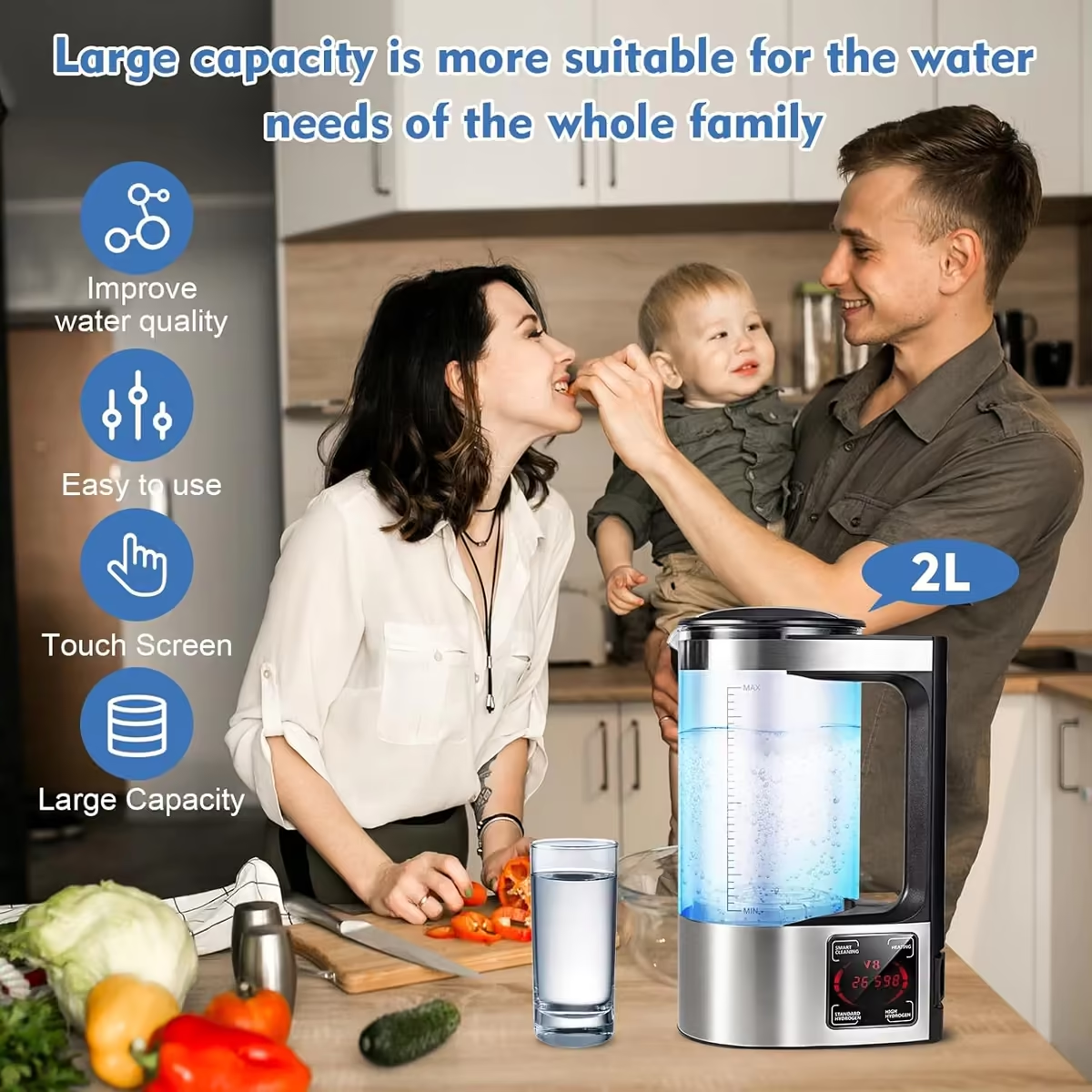
- Capacity, dimensions, net weight, and water-contact materials.
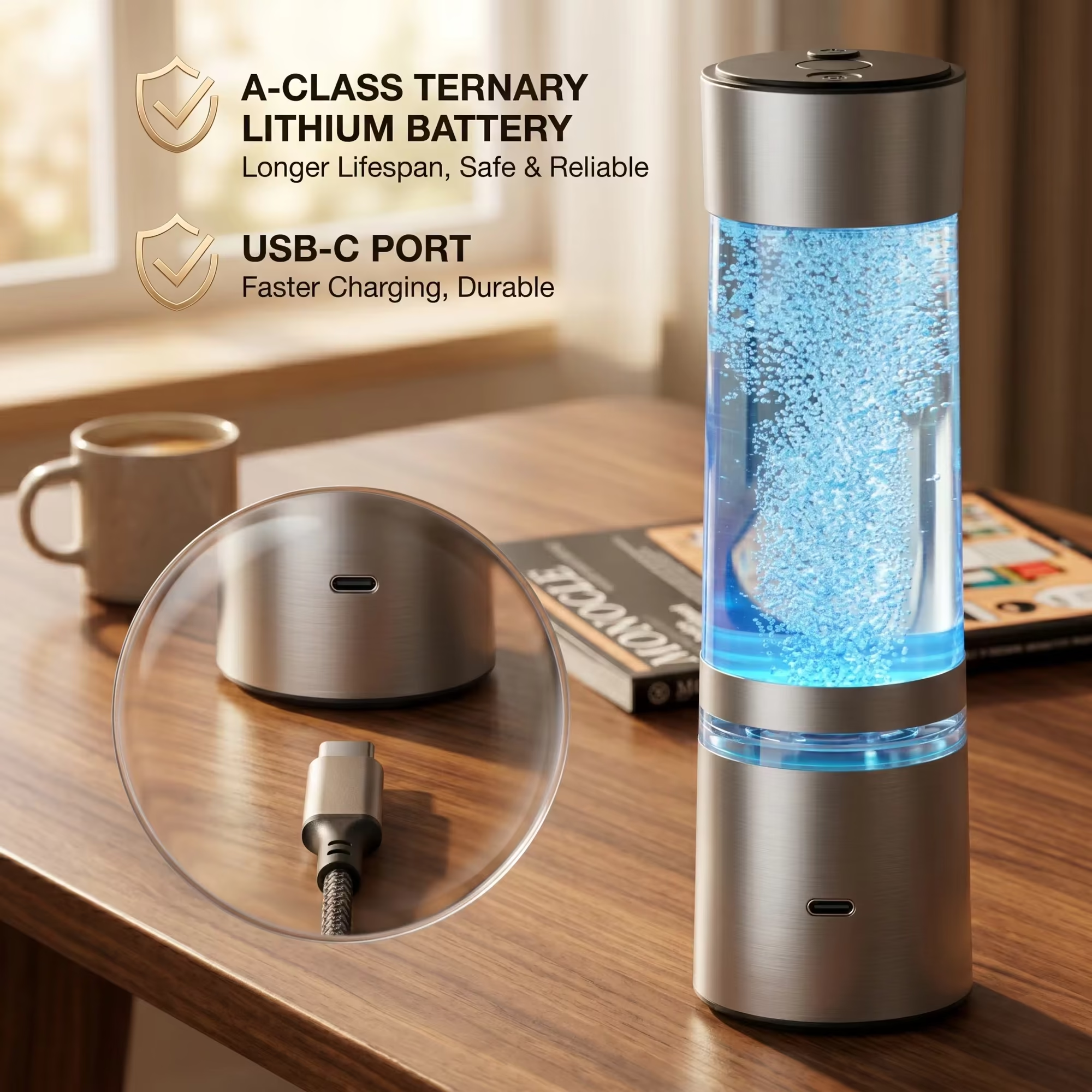
- Charging interface, battery specification, and included cable or adapter.
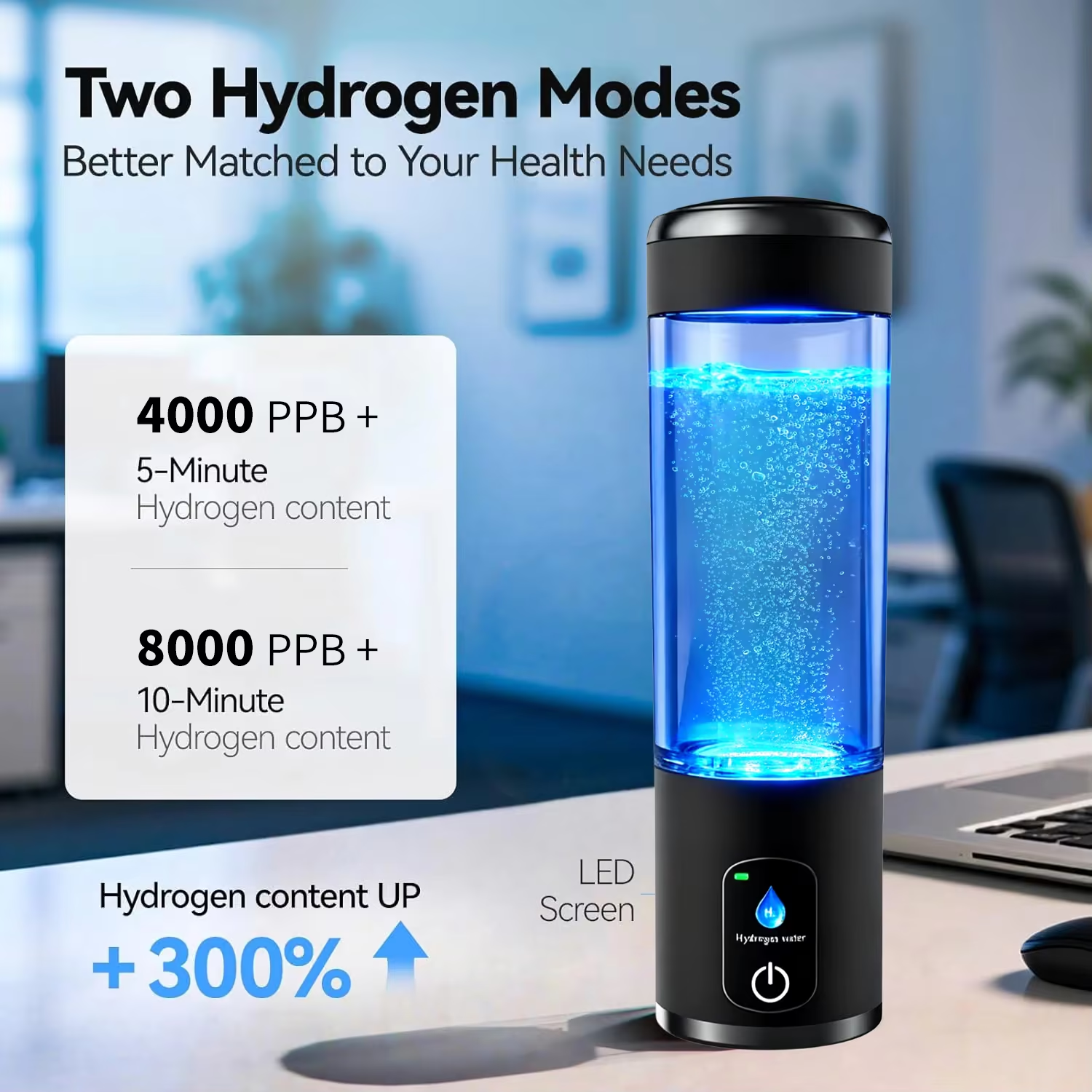
- Generation cycle settings and normal operating instructions.
- Electrolysis system description, including whether an SPE/PEM design is used.
- Cleaning, maintenance, and consumable requirements.
- Retail box contents, master-carton quantity, and packed dimensions.
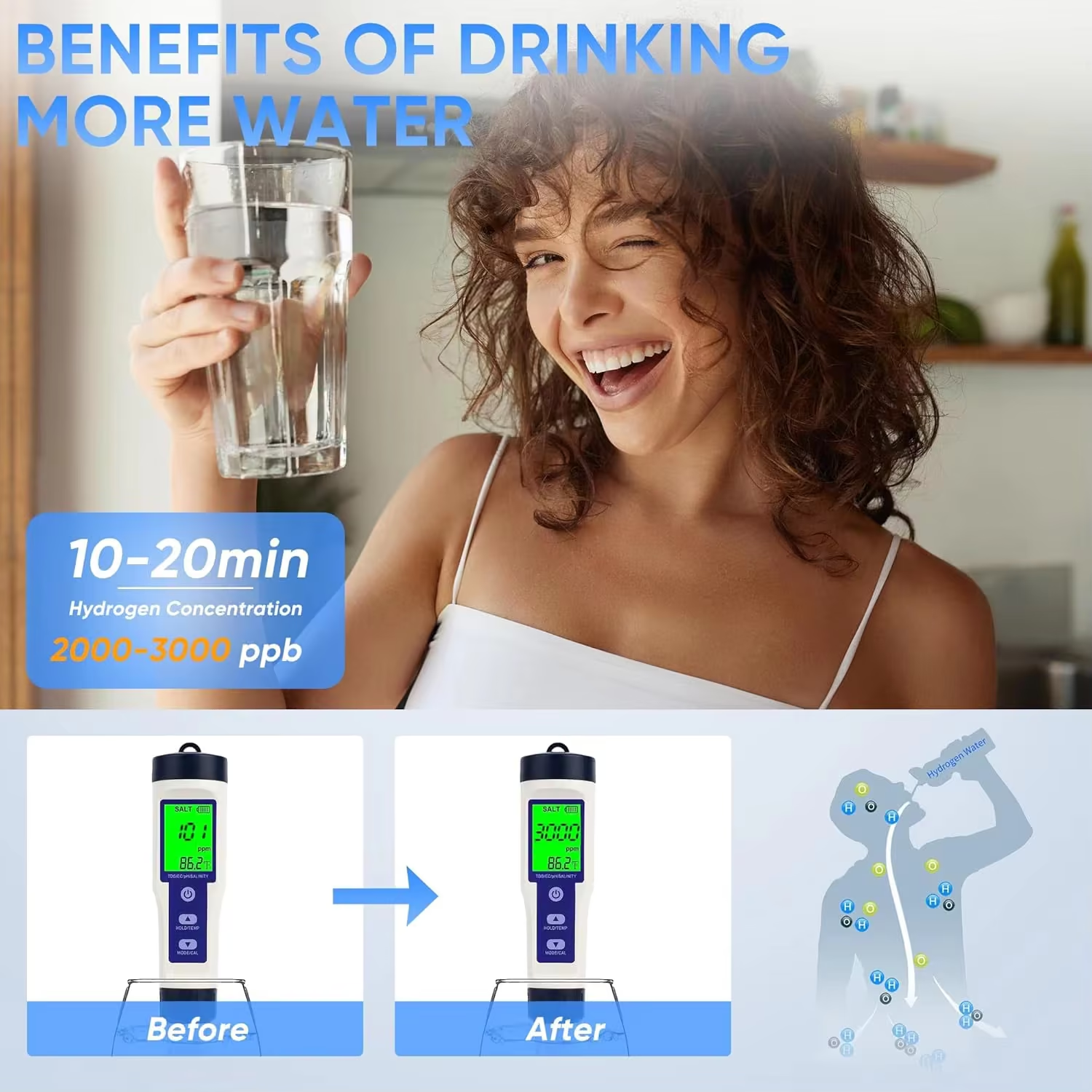
When comparing performance-related specifications, request the test method and conditions alongside the stated figure. Water source, temperature, test instrument, cycle duration, and timing can affect a reported result. A reliable quotation should make clear which values are product targets, which are sample measurements, and which must be confirmed for the final production run.
2. Review Water-Contact Materials and Build Quality
Material selection affects both the product position and the documentation your import process may require. Ask what material is used for the bottle body, lid, seals, electrode assembly, and any internal water-contact parts. For a Tritan-based or stainless-steel design, request the relevant material information for the specific model rather than relying on a generic catalog statement.
Also assess the details that affect day-to-day ownership: lid fit, seal replacement, base stability, charging-port protection, display readability, and ease of cleaning. These are appropriate points to test on a physical sample before approving artwork or mass production.
3. Define the OEM or Private-Label Scope
Private-label capability can range from a simple logo application to a fully coordinated retail presentation. Confirm which elements are available for your order quantity and which require tooling, artwork approval, or additional lead time.
- Logo method: printing, laser marking, label, or other approved process.
- Body, lid, base, or accent color options.
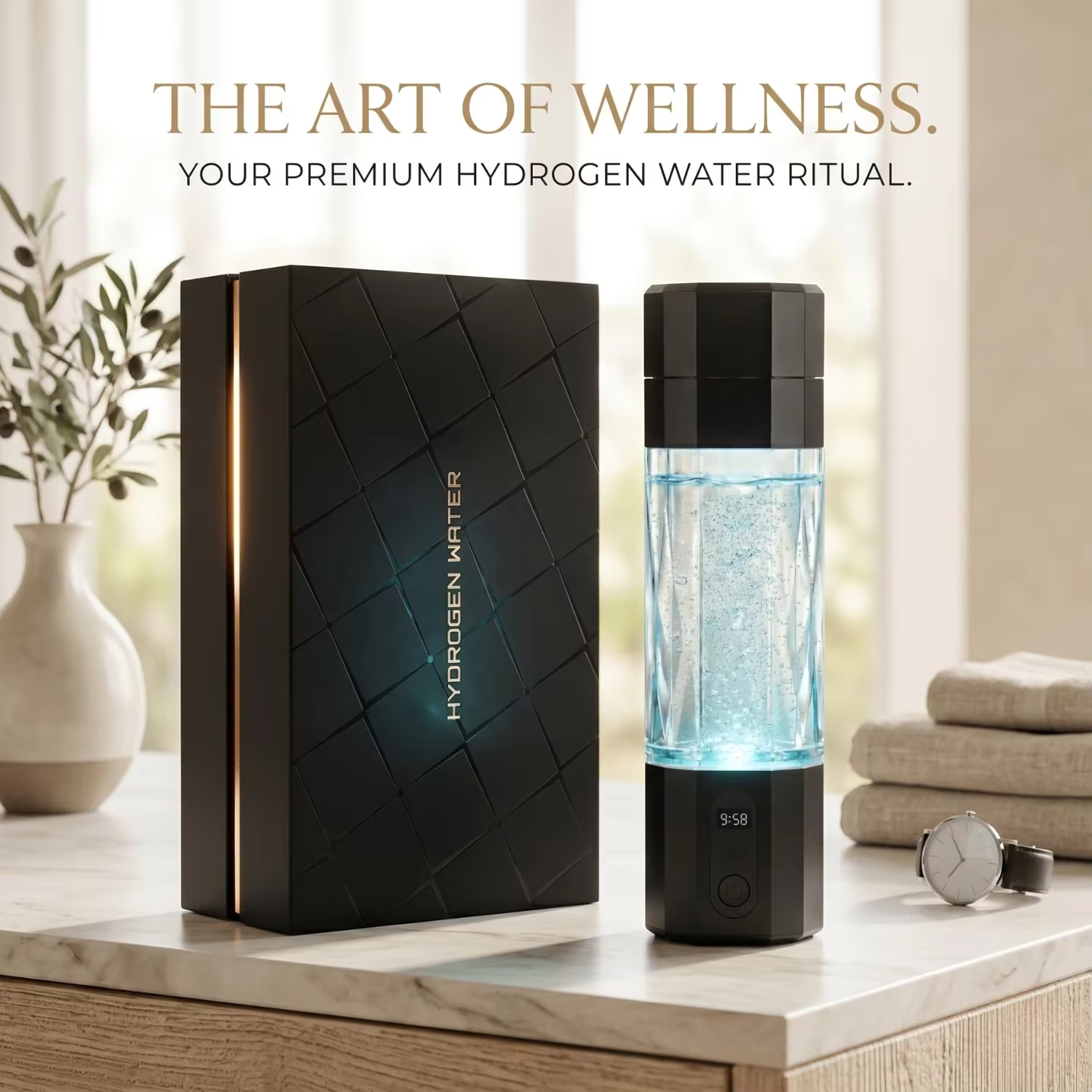
- Retail box, insert, manual, warranty card, and barcode artwork.
- Language versions and required warning or care text.
- Optional accessories, bundles, or spare parts.
Ask for the artwork template and approval sequence early. A clear process should identify file formats, proof timing, sample or pre-production approval, and the point after which changes can affect the delivery schedule.
4. Use Samples to Establish an Approval Standard
Do not treat a sample as a marketing item. Use it to establish the written standard for the production order. Test the functions relevant to your brief, inspect cosmetic finish and logo position, review the package, and record any agreed changes. Once approved, the final sample or signed specification can serve as the reference for incoming inspection.
Before bulk production, agree on a quality-control plan. It should define the inspection points, appearance standard, functional checks, sampling method, handling of nonconforming units, and whether an independent pre-shipment inspection is required. These details protect both parties from vague expectations at the end of the order.
5. Request a Market-Specific Documentation List
Documentation requirements depend on the product configuration and destination market. Tell the manufacturer where the products will be sold and ask for a model-specific list of available documents. Your importer, compliance adviser, or local authority should confirm what is required for your particular product and market.
A practical request may cover product specifications, material declarations, test reports where available, battery or transport information, user instructions, packaging data, and factory quality-control records. Do not assume that a document for one model, market, or production revision applies to another.
6. Check Commercial and Delivery Readiness
A competitive unit price is useful only when the quotation is complete. Ask each manufacturer to state the MOQ by model and customization level, sample cost and credit policy, tooling charges if applicable, production lead time after artwork approval, payment terms, trade terms, port of loading, spare-parts options, and warranty process.
For a first order, the most useful comparison is often total landed-project readiness: sample quality, communication speed, documentation, packaging accuracy, production control, and logistics support. These elements can have more impact on launch timing than a small difference in unit cost.
OEM Hydrogen Water Bottle Supplier Checklist
| Review area | What to request | What to confirm before ordering |
|---|---|---|
| Model specification | Dated product sheet and configuration list | The exact model, materials, accessories, and tested operating conditions |
| Branding | Artwork template and logo/packaging options | MOQ, approval stages, and any tooling or revision costs |
| Sample approval | Branded or representative sample when practical | Function, finish, packaging, and approved change list |
| Documentation | Model- and market-specific document list | What is available and what your market requires |
| Quality control | Inspection plan and defect-handling process | Acceptance criteria and pre-shipment inspection arrangement |
| Commercial terms | Complete quotation and trade terms | MOQ, lead time, payment, shipping, and after-sales support |
Questions to Ask Before Requesting a Quote
- Which model best matches my target capacity, price position, and sales channel?
- What information and test conditions support the key product specifications?
- Which customization options are available at my expected quantity?
- Can I review a sample and approve the final artwork before bulk production?
- Which documents are available for this exact model and destination market?
- What are the confirmed MOQ, production lead time, packaging details, and shipping terms?
Work With a Supplier That Can Support the Full Project
PHYFLOW supports B2B buyers sourcing hydrogen water bottles for distributor, wholesale, and private-label projects. Our product range includes platform models such as the H88 hydrogen water bottle and the H60 hydrogen water bottle. Share your target market, desired model, estimated order quantity, branding needs, and delivery requirement so we can prepare a suitable product recommendation and quotation.
Contact PHYFLOW to discuss your OEM hydrogen water bottle project.
Frequently Asked Questions
What is the first step in an OEM hydrogen water bottle project?
Start with a written brief covering target market, sales channel, estimated quantity, branding scope, preferred configuration, and delivery timing. This enables the supplier to match you with a suitable model and provide a complete quotation.
How should buyers compare hydrogen concentration claims?
Ask for the test method and conditions, including water source, test timing, cycle duration, and instrument used. Confirm the final product specification in writing before placing a bulk order.
Can a private-label project include custom packaging?
Many projects can include custom retail boxes, manuals, inserts, and logo application. The available options, MOQ, artwork requirements, and timing should be confirmed for the selected model.
Which compliance documents should I request?
Requirements vary by model and destination market. Request a model-specific document list from the supplier, then confirm requirements with your importer, compliance adviser, or relevant local authority.