


Institutional procurement guide
Hydrogen Water Systems for Schools: Procurement and Safety
A school installation must be selected as shared drinking-water equipment, with child safety, hygiene, supervision and predictable maintenance ahead of marketing claims. The system should fit the actual number of users and the site’s water and electrical conditions.
1. Size the system for the real school workflow
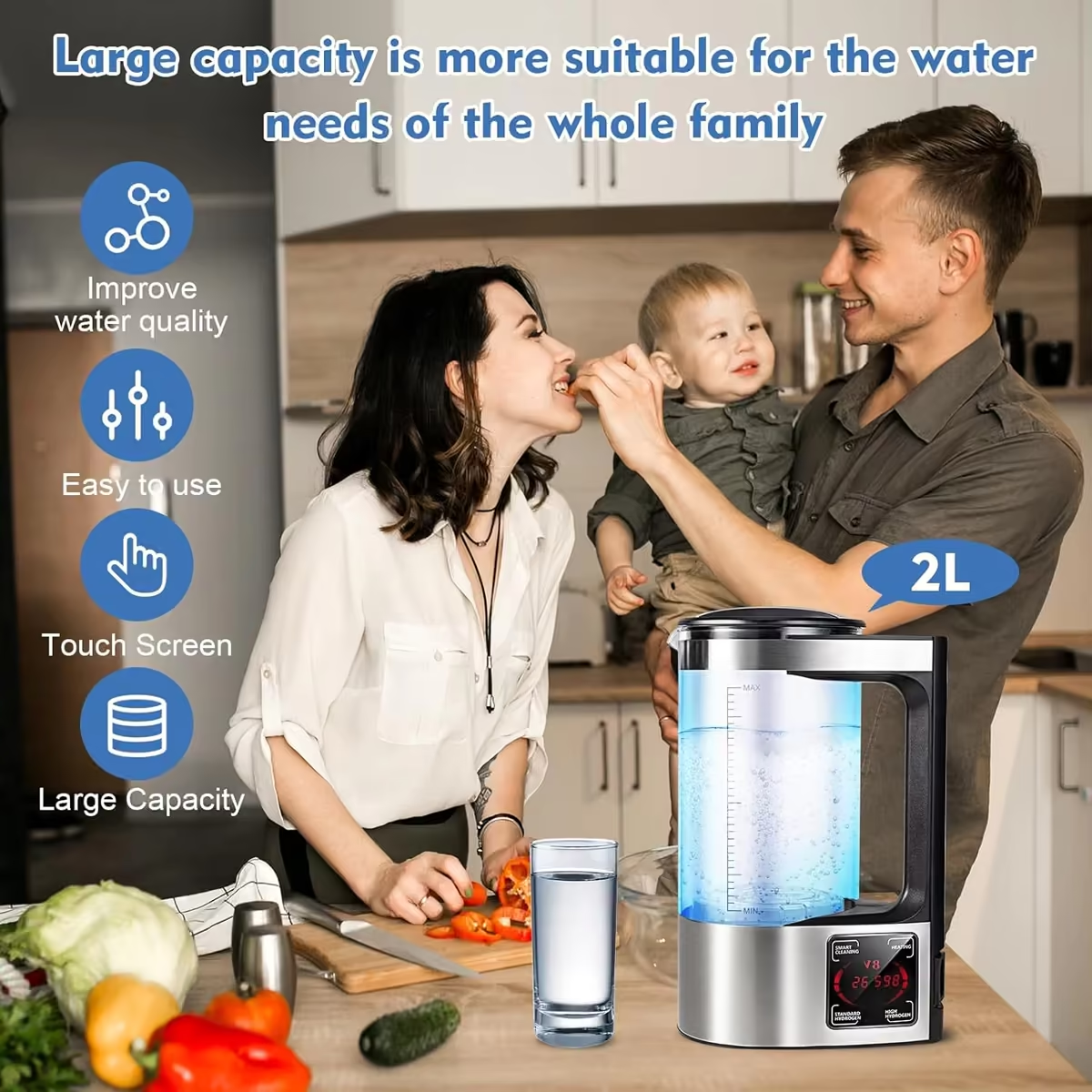
Estimate peak users, refill volume, operating hours, recovery time and where students will queue. A laboratory demonstration does not prove that a unit can serve a school day reliably.
Check inlet water requirements, filtration, drainage, electrical supply and the location’s ventilation and access. The quoted model must match the installed unit.
- Calculate daily and peak-hour demand.
- Confirm inlet water and filtration requirements.
- Verify electrical, drainage and installation conditions.
- Match quotation, nameplate and installation plan.
2. Design for hygiene and student safety
Shared outlets, touch surfaces and drip areas need a written cleaning schedule. Materials in contact with drinking water and replacement filters should be documented for the destination market.
Hot surfaces, controls, cables, service doors and chemical cleaners must be inaccessible to students. Staff should supervise faults and take the unit out of service after contamination, leakage or electrical damage.
- Define daily cleaning and inspection ownership.
- Protect cables, service panels and treatment chemicals.
- Use clear operating and out-of-service signs.
- Keep maintenance records and filter dates.
3. Approve documents, maintenance and acceptance tests
Review electrical safety, food-contact, water-system and local school requirements with qualified advisers. Do not make disease-prevention or learning-performance claims without appropriate clinical and regulatory evidence.
Acceptance should test flow, water quality, leakage, alarms, shutdown, cleaning access and staff training. Agree consumables, spare parts, response times and total operating cost before purchase.
- Verify reports cover the installed model.
- Test safety functions and leakage on site.
- Train responsible staff and record handover.
- Budget filters, cleaning, service and spare parts.
School buyer questions
Is a household bottle suitable for a school station?
Usually not as a direct substitute. Shared equipment requires capacity, hygiene, supervision and service planning for the actual number of users.
Can a school advertise health or academic benefits?
Not on the basis of equipment specifications. Health or performance claims need appropriate evidence and regulatory review.
What should be tested at handover?
Test flow, leakage, water quality, alarms, shutdown, cleaning access and the staff maintenance process on the installed model.
Editorial note: product performance depends on the exact model, water conditions, cycle and test method. Health information is educational and is not medical advice.